


Maintaining a clean grow environment is the key to healthy, fast-growing plants. But knowing exactly how to clean a hydroponic system is what stands between an abundant harvest and devastating root rot. Pathogens and algae thrive in stagnant water, clogged lines, and salt-crusted reservoirs, quietly choking off oxygen before your leaves show the first sign of stress. Proper cleaning keeps your indoor garden healthy, productive, and functioning at peak performance.
Is your grow setup due for a deep clean? Explore GroIndoor's premium selection of hydroponic systems and parts to keep your reservoir pristine and your root zones healthy.
Learning how to clean a hydroponic system is the first step in protecting your crop from pests and disease. The process begins by powering down all gear and draining the reservoir completely. You must take apart every piece, including pumps and tubing, to remove hidden debris. Use a solution of soap and water to scrub away visible dirt, then sanitize with a diluted bleach mix. Thoroughly rinsing every part is a key step to prevent chemical buildup that could harm your roots. According to the University of Minnesota Extension, regular cleaning of tools and containers is needed to reduce the spread of plant diseases. Following a strict schedule ensures your water stays clear and your plants get the nutrients they need for fast growth.
Managing a grow system takes time and care to get right. You need to know why regular hydroponic system maintenance is crucial before you start your next cycle. This work keeps your setup running well and prevents costly gear failure. Knowing the core benefits of a clean space is the best place to start. The path begins with
How To Clean A Hydroponic System: Why Regular Hydroponic System Maintenance is Crucial
A clean space is the heart of a high-yield indoor garden. If you do not know how to clean a hydroponic system well, your plants face big risks. Waste builds up in the pipes and tanks over time. This waste can slow down growth and even kill your crops. Regular care keeps your gear at its best and protects your work.
The danger of biofilms
Biofilms are slimy layers of bacteria and gunk that grow on wet walls. In a hydroponic setup, they form inside tubes, pumps, and tanks. These films are hard to scrub because they stick fast to surfaces. Tests show that natural biofilms are very tough to kill. You often need strong cleaners to fully clear them from a live system. According to the National Institutes of Health, some common cleaners work well to strip these layers.
Biofilms do more than just clog your lines. They also hold plant pests and germs. Even if your tools look clean, they can carry tiny bugs that kill plants. It is key to clean and disinfect gardening tools and bins often. This simple step helps stop the spread of germs in your indoor garden. Keeping a strict cleaning plan is the best way to stop these threats before they start.
Salt buildup and nutrient flow
When you use plant food, salt can settle in your gear. This buildup can block the flow of water and food to your crops. Over time, these hard spots can change the pH of your water. This leads to nutrient lockout, where your plants cannot drink the food they need. Regular flushing and cleaning stop these salts from being a big problem. This ensures that every plant gets the right mix of food for fast growth.
Protecting crop health and yield
Managing home hydroponic systems means you must focus on root health. Clean water and walls stop root rot and other mold issues. When roots are healthy and white, they can take in more air and food. This leads to bigger plants and better crops. By keeping your system clean, you create a safe space for your plants to grow. A well-kept system lasts longer and gives you a good harvest every time.
How Often Should You Clean a Hydroponic System?
Keeping a clean grow space is vital for plant health in any garden. When you learn how to clean a hydroponic system, a set schedule helps you find problems before they harm your crop. Most growers use a mix of daily checks, weekly tasks, and deep cleaning between each plant cycle. These steps ensure your gear stays in top shape for years.
Daily and Weekly Care
Daily tasks focus on the health of your water and nutrient mix. You should test your water at least once every day to check pH and salt levels. This keeps the water safe for your plants and helps you spot early signs of root issues. If you are managing home hydroponic systems, small daily checks can prevent big failures later. You should also keep a log of these numbers to track how your system works over time.
Weekly tasks involve a closer look at the gear. You should check the pumps, lines, and air stones for clogs or salt build-up. Wipe down any wet surfaces to stop mold or algae from taking hold. These quick steps keep the system running well without needing to stop your grow cycle.
Deep Cleaning Between Cycles
The most vital time to clean is after you harvest your plants. You must drain the system and take it apart to reach every hidden spot. This step removes old roots and plant waste that can trap germs. Routine cleaning of hydroponic systems removes biofilm and helps stop the spread of plant pests and disease. You should scrub all bins and pipes with soap and water before you use any strong cleaners. This is key because dirt can shield tiny germs from the soaps you use to kill them.
When you do a deep clean, you should follow these steps:
- Power down: Turn off and unplug all power to the system to ensure safety.
- Drain reservoir: Drain all water from the tank and lines completely.
- Clear waste: Remove all plant waste, old roots, and loose dirt from the setup.
- Scrub surfaces: Scrub all surfaces with soap and warm water to remove visible build-up.
- Rinse thoroughly: Rinse the system well with clean water before adding any cleaning mix.
Factors That Affect Your Schedule
The type of plants you grow and your room will change how often you need to clean. Systems with a lot of organic matter often need more care. Thick biofilms can grow in a working system, which makes it harder to kill germs later. Research shows that as organic matter builds up, you may need higher levels of cleaners to keep the system clean. This is why a deep clean between every crop is so helpful. If you have a pest or mold outbreak, you must stop and do a deep clean right away to protect your next crop.
What is the Best Way to Clean a Hydroponic Reservoir?
Cleaning your reservoir is a key part of how to clean a hydroponic system. A clean tank stops the spread of plant pests and diseases. Over time, a thin layer of bacteria called biofilm can grow on the walls. This slime can trap germs and lead to root rot. To keep your plants healthy, you must clear out all dirt and slime at each growth cycle.
New growers often start with beginner hydroponic systems that are easy to take apart. No matter what setup you use, the goal is the same. You need to remove all visible waste and then kill the germs you cannot see. Following a set plan helps you avoid errors that could hurt your next crop.
Preparing Your System for Cleaning
Before you start, turn off all pumps and heaters to keep them safe. You must drain the reservoir and remove any leftover plant bits. Clearing out all organic waste is a vital first step in managing home hydroponic systems. Use a pump or a wet vacuum to get every drop of old nutrient water out of the tank.
Take out any air stones or filters that sit in the tank. These parts often hide small bits of roots and algae. If you leave these behind, they can rot and ruin your fresh nutrient mix. Check the corners and edges of the tank for any dried salt or sludge that needs to be cleared away.
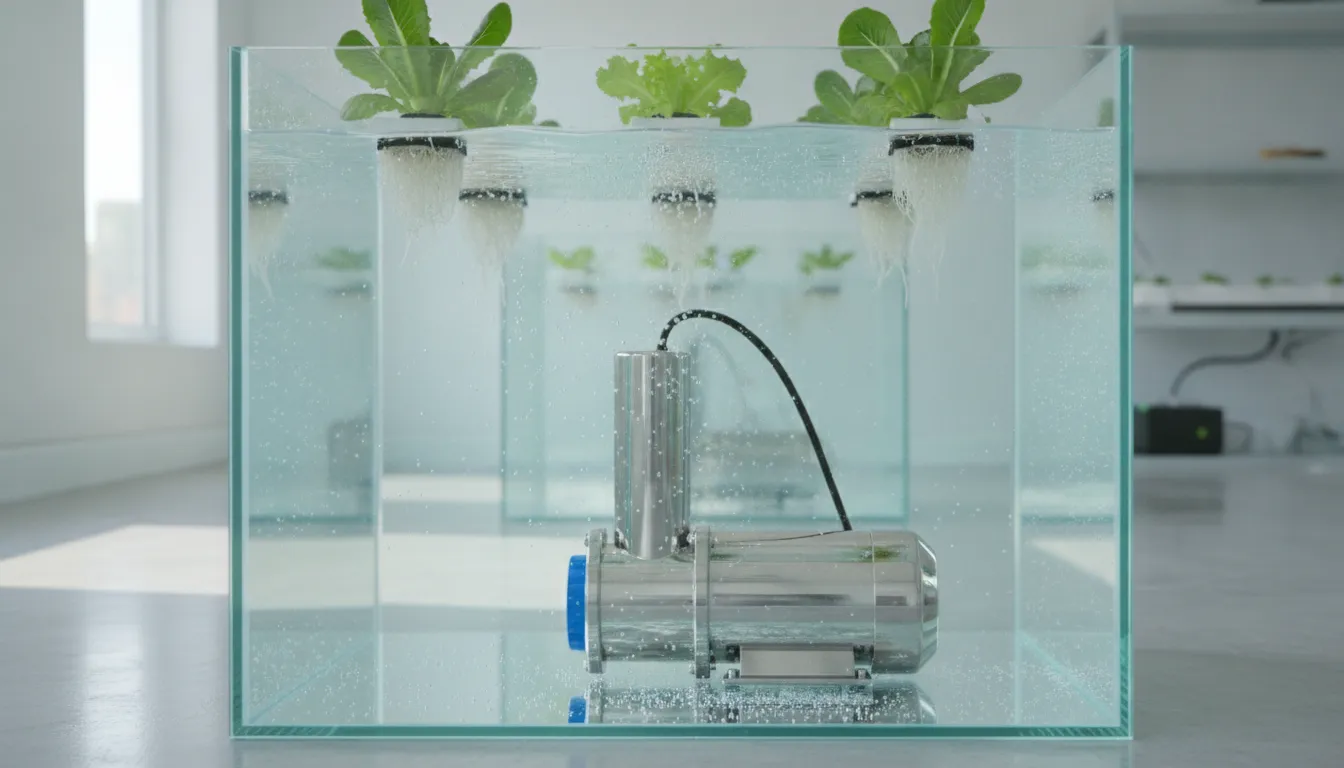
Scrubbing Away Dirt and Biofilm
You must clean the surfaces of your tank before you try to kill germs. Visible dirt and grit can act as a shield for bacteria. If you do not remove this layer, your cleaning tools will not work well. The CDC notes that cleaning must happen first because soil makes it hard for chemicals to reach and kill germs.
Use a soft brush or a sponge to scrub the walls and floor of the reservoir. Focus on areas where water stays still or where pipes connect to the tank. These spots are where biofilm is most likely to build up. Once you have scrubbed all surfaces, rinse the tank with clear water to wash away the loose debris.
Sanitizing and Rinsing the Reservoir
After the tank is clean, you can start the next step to kill the germs. Sodium hypochlorite, or bleach, is one of the best tools for removing tough biofilms. Research shows that using 500 ppm of bleach for 12 hours can clear out these stubborn layers well. This step kills the small germs that a simple scrub might miss.
Once the soak is done, you must rinse the reservoir very well. If you leave bleach behind, it can create waste like chlorate. These can build up in your plants and slow down their growth. Flush the tank several times with clean water until you no longer smell any bleach. A final rinse ensures your system is safe for new nutrient solution and young plants.
Can I Use Hydrogen Peroxide to Clean a Hydroponic System?
Many growers use hydrogen peroxide to keep their systems clear of germs. It is a common choice because it breaks down into water and oxygen. This makes it safe for plants when you use the right amount. But if you want to know how to clean a hydroponic system for a deep reset, you may need to look at other tools. While peroxide helps with light tasks, it may not be the strongest choice for every job.
Biofilm Removal and Power
Biofilm is a slimy layer of germs that can grow on the walls of your pipes and tanks. Research shows that bleach is often better at removing this slime than hydrogen peroxide. In one study, bleach showed greater power in removing slime compared to peroxide. This is because biofilms in active systems can be very tough to kill. They often build up with other organic matter over time.
If your system is already running, you might need a stronger cleaner to get the job done. In active systems, the amount of bleach needed to clear biofilm can go up to 500 ppm. This is due to the thick layers that can form during a grow cycle. For a full clean between crops, a strong mix helps make sure that no hidden germs remain to infect your new plants.
Material Safety and Porous Media
You must be careful about which tools you use on certain parts. While bleach is strong, it can be hard on some parts of your setup. You should never use bleach on porous items like clay pebbles or rockwool. These materials have tiny holes that can trap the chemical. If bleach stays inside your grow media, it can harm your plants later. In those cases, hydrogen peroxide is a safer bet because it leaves no harsh residue behind.
Hydrogen peroxide is also a great tool for cleaning your indoor garden gear that touches your plants. It works fast and does not need as much rinsing as bleach. But if you are cleaning hard plastic tanks or PVC pipes, bleach can provide a deeper clean. Just make sure the material is safe for use with strong bases before you start.
Rinsing and Residue Management
If you choose to use bleach for a deep clean, you must rinse everything very well. One risk of using bleach is the build-up of chlorate. If you do not rinse your system enough, this waste can end up in your plants. High levels of chlorate have been found in plants when growers do not rinse after using a 500 ppm bleach mix. Thorough rinsing makes sure that your water stays clean and your plants grow without stress.
- Wear protection: Always wear gloves and eye protection when you use strong chemicals.
- Avoid mixing: Never mix hydrogen peroxide with bleach, as this can be dangerous.
- Multiple rinses: Rinse all parts at least three times if you use a bleach solution to clear residues.
- Verify levels: Check your pH and EC levels after cleaning to make sure the water is safe for plants.
Keeping a clean system is the best way to prevent root rot and other common issues. Whether you choose peroxide for its safety or bleach for its power, steady care is key. Regular care will help you get the best yields and keep your plants healthy throughout the year.
Deep Cleaning Hydroponic Pumps, Tubing, and Air Stones
Keeping the plumbing of your setup clear is a key part of how to clean a hydroponic system. Over time, pumps, lines, and air stones collect organic matter and mineral salts. This can slow down water flow and limit the oxygen your plants receive. To start, always power down and unplug all electronic parts. You must drain the system and clear out any old plant bits. Taking the system apart in a clear way ensures your gear stays in top shape.
Maintaining Water Pumps
The water pump is the heart of your system. You should take it apart to reach the inner parts like the impeller. Use a brush or a hard spray of water to knock off any caked-on dirt. You must remove all visible soil and debris before you try to kill germs. If you leave dirt on the pump, it can shield germs from your cleaning agents.
Once the pump is free of dirt, soak the parts in a cleaning bath. Research shows that bleach is very good at removing the thin, slimy films of germs known as biofilms. After soaking, rinse every part with fresh water to prevent chemical build-up that could harm your plants. Check that the impeller spins freely before you put the pump back together.
Cleaning Tubing and Lines
Hydroponic lines can grow algae or collect salt crusts. These blockages make it hard for the pump to move water. You can use a thin brush to scrub the inside of the tubes. It is often helpful to soak lines in a mix of water and vinegar. This helps in cleaning salt build-up in the pipes. If the lines are very old, it may be better to replace them to keep your setup running well.
Large systems with many lines need regular checks. If one line gets clogged, some plants may dry out while others stay wet. Proper flow is vital for your garden. Use a strong stream of water to flush out any bits of roots or salt stuck in the corners of your plumbing.
Restoring Air Stones
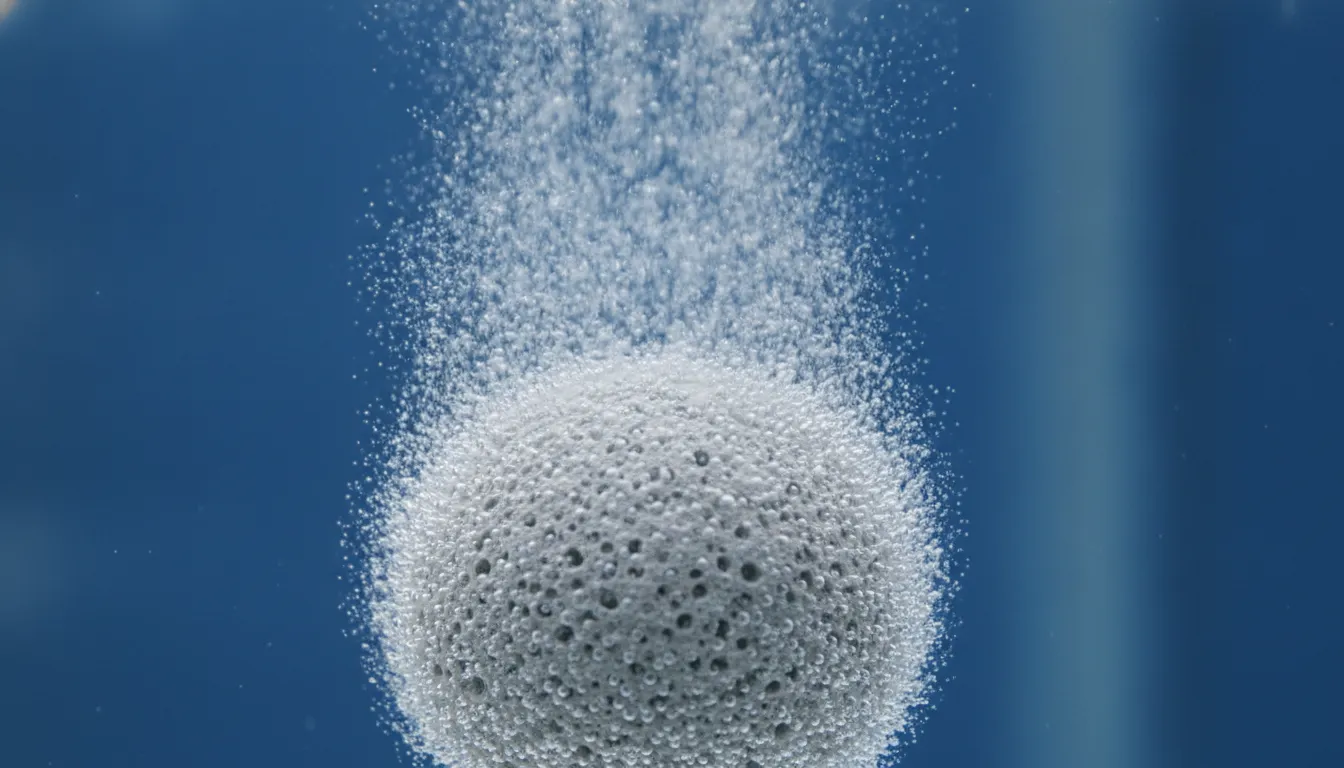
Air stones have many tiny holes that let oxygen into the water. These holes often get plugged with salts or slime. When this happens, you will see fewer bubbles, which means less air for your roots. Soak your air stones in a cleaning solution for at least 12 hours to break up these clogs. You should also check for any bits of soil or roots stuck to the stone.
After soaking, use an air pump to blow out any trapped liquid from the stone. Rinse it well with fresh water. Regularly cleaning your stones and other hydroponics gear prevents the spread of plant diseases. Clean tools and parts are essential even if they look okay to the eye. Small germs are often too tiny to see.
Hydroponic Maintenance Checklist: Weekly vs. Between-Cycle Sanitation
Success in an indoor garden depends on a steady routine. If you want high yields, you must know managing home hydroponic systems requires both daily care and deep cleans. Knowing how to clean a hydroponic system the right way saves time. It also prevents crop loss from root rot or pests. You must plan for two types of cleaning to keep your plants in top shape.
Weekly Upkeep and Care
A weekly routine keeps your plants healthy and your gear running. You should check your water every day. Testing the pH and EC levels helps you find issues before they hurt your roots. A quick wipe of the reservoir lid also stops dust from getting into your system. Most of the time, cleaning often is enough to keep germs from spreading while your plants are growing.
You should also check your water temperature. If the water gets too warm, it can hold less oxygen. This can lead to root issues. You may need to top off your tank with fresh water every few days. Look for any algae growth in your lines or on the grow media. If you find small green spots, wipe them away before they spread. Checking for leaks in the pumps or hoses is also a key task.
Maintenance Table
This table shows the difference between your routine tasks and the deep clean you do after a harvest. Use this to plan your grow room schedule.
| Task Type | How Often | Main Focus | Tools Needed |
|---|---|---|---|
| System Monitoring. | Daily. | Check pH and EC levels. | pH/EC meters. |
| Reservoir Care. | Weekly. | Top off water and check for algae. | Bucket and fresh water. |
| Surface Cleaning. | Weekly. | Wipe down lids and grow trays. | Clean rag and mild soap. |
| System Flushing. | Between Cycles. | Remove salt and nutrient build-up. | Flush solution and fresh water. |
| Deep Cleaning. | Between Cycles. | Kill bacteria and remove biofilm. | Bleach or strong cleaner. |
Deep Cleaning Between Cycles
Once you harvest your plants, it is time for a deep clean. This is when you take the whole system apart. You must remove all plant waste and old roots. This is also when you should focus on sanitizing your indoor garden area. A fresh start helps your next set of plants grow fast and strong.
You must take apart your pumps and air stones. Soaking these parts in a cleaning bath is the best way to get them clean. Research shows that sodium hypochlorite is good at removing biofilms from hydroponic gear. Make sure to scrub the inside of your tubes too. You must rinse every part well after using these cleaners. This prevents any old cleaner from hurting your next crop. Taking the time to do this right ensures your system stays safe for your next grow.
Common Mistakes to Avoid in Hydroponic System Cleaning
Cleaning a system is not just about a quick rinse. Many growers make small errors that can lead to plant disease or root rot. To keep your harvest safe, you must avoid these common cleaning traps.
Skipping the physical scrub
One big mistake is trying to clean a dirty system with just chemicals. You must remove all visible dirt and root bits before you use any soap. Dirt can act as a shield for germs. If you skip the scrub, your soap may not reach the bugs hiding under the gunk. Research shows that cleaning surfaces first is key because dirt makes it hard for chemicals to kill germs. Use a brush or a spray to get into every tight spot. Also, avoid using water that is too hot, as it can warp plastic parts.
Using bleach without rinsing
Many people use bleach to kill thin layers of germs called biofilms. Bleach is a strong tool, but it needs care. If you do not rinse the system well, salt byproducts can build up. This can hurt your plants and lower your yield. A study from the National Institutes of Health shows that high salt levels stay in plants if you do not rinse after you clean. Always flush your tank and lines with fresh water until all traces of bleach are gone. This step keeps the root zone healthy for the next grow cycle.
Neglecting the grow room
Focusing only on the tubes and pots is another error. Germs and pests can live on the floor, walls, and lights. If you do not clean the area around your setup, you risk a fast return of mold or bugs. When sanitizing your indoor garden, treat the entire room as part of the system. Wipe down all flat areas to remove dust and spores. A clean room helps prevent tiny pests from landing in your fresh plant food.
Don't let salt buildup or bacteria ruin your harvest. Shop our high-quality cleaners and disinfectants today to sanitize your pumps, tanks, and grow media before your next cycle starts.
Frequently Asked Questions
How do you remove algae from a hydroponic system?
You can remove algae by scrubbing all parts of your system with a soft brush and soap. Algae grows when light hits the water, so you should block light from reaching your tank. If algae is a big problem, use a mix of water and bleach to kill it. Make sure to rinse it all well before you put your plants back in. This will keep your system clean and help your plants grow better.
Should I use bleach to clean my hydroponic setup?
Yes, you can use bleach to clean your setup. Research shows that sodium hypochlorite, or bleach, is very good at killing germs and removing slimy buildup. It often works better than other cleaners for deep cleaning. Use a strong mix to get the best results. Always wear gloves and eye gear when you use these tools to stay safe. This helps you clean your system without any risk to your health.
Do I need to rinse my hydroponic system after using bleach?
You must rinse your system very well after you use bleach. If you do not rinse it, high levels of salt can build up in your plants. This can slow down their growth or cause other health issues. According to experts, rinsing ensures your plants stay healthy and safe. Always use clean water to wash away all trace of the bleach before you start your system again.
How do I clean hydroponic gear safely?
To clean your gear, first remove all dirt and plant bits. Then use a cleaning mix to kill germs you cannot see. Tiny germs can stay on tools even if they look clean. You should also clean your gardening tools before you move from one plant to the next. This stops the spread of plant disease. Always store your tools in a dry place that is safe and out of reach.
Ready to start your next grow with a clean system?
Letting old nutrients and algae sit in your reservoir can lead to root rot and weak plants. If you do not deep clean your system now, or deal with salt build-up, you risk a total crop loss that wastes both time and money. A small amount of work today will prevent large problems in the middle of your next grow cycle. You will see faster plant growth and have fewer pests when you start with a fresh space. Keeping your pumps and lines clear also helps your gear last much longer and work better. Do not wait for a pump to fail or for your plants to wilt before you take action. You can get the best yields by making sure your setup is spotless and ready for new life right away.
Ready to contact GroIndoor? Explore our selection of hydroponic systems, pumps, and cleaning solutions to get your indoor garden in top shape.