


Stagnant water in your hydroponic reservoir can quickly lead to root rot and nutrient lockout. Changing your nutrient mix on a regular schedule keeps your indoor garden healthy and strong. Most growers should aim for a complete refresh every few weeks to prevent salt buildup.
Shop hydroponic nutrients at GroIndoor.
How often to change hydroponic reservoir water usually depends on a schedule of doing a full system refresh every two to three weeks. This routine prevents salt buildup and ensures that your plants always have access to a balanced mix of nutrients. While you may add fresh water daily to keep the reservoir full, these top-offs do not replace the need for a total change. Factors like the size of your tank, the stage of plant growth, and the local heat will affect how quickly your solution fades. Large plants consume water faster and may need more frequent care to avoid nutrient issues. According to Agrowtronics, most hydroponic systems require this full swap to maintain the proper salt levels. Regular changes protect your root zones from harmful germs and keep your pH levels stable for the best possible yields.
Maintaining a steady environment is key to a successful harvest, so you need to know when your water is no longer doing its job. This guide explains how often to change hydroponic reservoir water and the best ways to keep your system clean. Start with the recommended baseline schedule.
How often to change hydroponic reservoir water
Most indoor growers should perform a full water change every two to three weeks. This schedule helps hydroponic system maintenance stay simple and effective for most crops. While you may add fresh water daily to keep the levels high, a complete swap is still needed.
Over time, plants use up specific minerals while leaving others behind. This causes the nutrient balance to shift, which can hurt plant health. If you wait too long, your plants may stop growing entirely.
Factors that shift your schedule
Your specific growth setup will often change how quickly your water gets dirty or becomes poor. Smaller reservoirs tend to shift faster than larger tanks.
When you manage your nutrient levels, you must watch your plants closely. Large plants can drink five times more water than small ones, which speeds up the need for a change. High heat and low humidity also cause plants to drink more. This leaves thick salts in the tank that can burn the roots.
Why fresh water matters
Leaving the same solution for too long can lead to major growth problems. Recycling your nutrient solution for many weeks may result in reduced plant growth from mineral gaps.
As plants pull out what they need, the leftover salts can become toxic. This shift in the water can make it hard for roots to take in any food at all. Fresh water resets this balance and gives your crop exactly what it needs to thrive.
Monitoring salt levels
You can use a meter to check the salt levels in your tank. These tools measure electrical conductivity, or EC. EC shows you how much food is left in the water.
A very high reading often means the plants are not eating well or the salts are too thick. This helps you avoid nutrient toxicity or deficiency before they kill your harvest. If the EC jumps up as the water level drops, it is usually time for a fresh reservoir.
When to act fast
Some cases require you to dump the tank before the two-week mark. If your water looks cloudy, smells bad, or has slime on the roots, change it at once. You should also act if your pH levels will not stay steady.
A pH that swings wildly is a sign that bacteria or algae are growing in the tank. Keeping a clean reservoir is the best way to prevent root rot and other pests. Fresh water is a cheap way to protect the money you spend on your grow.
| Growth Stage or Setup | Change Frequency | Primary Reason |
|---|---|---|
| Young Seedlings | Every 3 to 4 Weeks | Low nutrient uptake and slow water use. |
| Vegetative Stage | Every 2 to 3 Weeks | Balanced growth and steady mineral use. |
| Heavy Flowering | Every 1 to 2 Weeks | High water use and fast nutrient depletion. |
| Hot Grow Rooms | Every 7 to 10 Days | Fast evaporation leaves salt buildup behind. |
| Small Reservoirs | Every 7 Days | Low volume makes the solution unstable. |
How system size and plant stage affect the schedule
Hydroponic gardening is not a task you can set and forget. The timing for your water changes depends on your setup and your plants. You must track how fast your crops use food and water.
This helps you plan your hydroponic system care tasks. Small details in your grow room can change your whole schedule. You should learn how these factors work to keep your garden lush.
Many things change how often you need to drain your tank. The size of your system and the age of your plants are the two biggest factors. Even the air in your room can play a part.
Hot and dry air makes plants drink more water. When they drink fast, the salt levels in the tank go up. You must monitor your reservoir levels to catch these shifts before they hurt your roots.
System size and water volume
The total volume of your tank plays a huge role in water health. Small systems have less water to act as a buffer. If a small plant uses just a bit of food, the salt level can spike fast.
This can cause stress for your crops. In a small tank, you have less room for error. You might need to check your water every day to keep it safe. High salt levels can make it hard for plants to drink.
Large tanks stay steady for a longer time. They hold more water, so changes happen slowly. This makes it easier to keep your pH and food levels right.
But big systems have their own sets of tasks. Draining a fifty gallon tank takes more time and effort than a five gallon pail. You still need to watch for salt build up in large setups.
Even with more water, salts will gather as plants eat. A high level of salt can lead to osmotic stress for your garden. This can slow down your growth or kill your roots.
Plant stage and nutrient use
Young plants do not need much food. When they are just clones or seedlings, they drink slowly. Their roots are small and do not take up much space.
During this stage, your water stays clean for a long time. You might find that you can go three weeks between full changes. It is still vital to check the water daily.
You want to make sure the pH does not drift too far from the goal. This keeps the food ready for the roots to use. Small shifts at this stage can be very hard on young crops.
As plants get bigger, their needs grow fast. Mature plants in the bloom stage are very thirsty. Large plants need about five times the water that small plants do.
This rapid use can lead to nutrient problems and low water levels. When plants drink water but leave the food behind, the salt level rises. This can lead to a shortage of the food they need most.
You must change the water more often to keep the balance right. Most growers find that a change every two weeks is best for big plants. This prevents salt burn and keeps the plants growing well.
Topping off vs full reservoir changes
You can add fresh water to your tank to keep it full. This is called topping off. It helps keep the water level high enough for the roots to reach.
It also thins out the food so the salt levels do not get too high. Topping off is a great daily task to keep your plants happy. But it is not a fix for old water.
You still need to drain the tank and start fresh to get rid of waste. Old water can hold pests and bad germs. A clean tank is the best way to keep your roots white and healthy.
Topping off does not replace a full water change. Salts and waste products can build up over time. If you only add water, these salts can reach levels that harm your crops.
Using the same water for too long can lead to slow growth. A full change clears out the waste and gives your plants a fresh start. Most experts say to do a full switch every two to three weeks.
This keeps the food levels at the best point for high yields and healthy roots. It ensures your plants get the right mix of food at every stage of growth. Constant care is the key to a great harvest.
What do EC and pH changes tell you?
Your reservoir water acts like a bank for plant food. By checking electrical conductivity (EC) and pH levels, you can see if your plants are "spending" their food correctly. These readings tell you exactly how often to change hydroponic reservoir water based on how fast your plants use up resources. Monitoring these stats helps you avoid nutrient toxicity or deficiency problems in your grow room.
Tracking electrical conductivity trends
Electrical conductivity, or EC, measures the salt concentration in your nutrient solutions. High salt levels result in a higher EC reading, while low levels show that salts are thin. If your EC drops while water levels stay high, your plants are eating faster than they drink. But if EC climbs quickly, your plants are drinking more water than food, which can lead to osmotic stress.
High EC levels often mean it is time for a full change. When salts build up too much, they can cause a nutrient imbalance that stunts growth. A full flush and fresh water help reset the system. You can find more tips on hydroponic system maintenance to keep your salt levels in the right range for each growth stage.
What pH shifts mean for your plants
The pH level determines if your plants can actually take in the food you give them. It is one of the four main traits to track for nutrient management in soilless culture. If the pH drifts too far up or down, certain minerals become "locked out," even if they are present in the water. This leads to slow growth or yellowing leaves.
Stable pH readings usually mean your system is in a healthy balance. If you see rapid drifting every day, it often signals that your reservoir is too small or that bacteria are starting to grow. Instead of adding more chemicals to fix a wild drift, it is usually safer to drain the tank and start over. This keeps your roots clean and ensures your maintaining your hydroponic reservoir remains a simple task.
Measuring consistently and avoiding overcorrection
Try to check your water at the same time each day. Factors like temperature and light can cause small shifts that do not need a big change. If you see a small drift, do not dump in a large amount of pH Up or Down right away. Overcorrecting can shock your plants and make the water quality worse. Small, steady tweaks are better than big jumps that stress the root system.
Keep nutrient solution moving with hydroponic water pumps from GroIndoor.
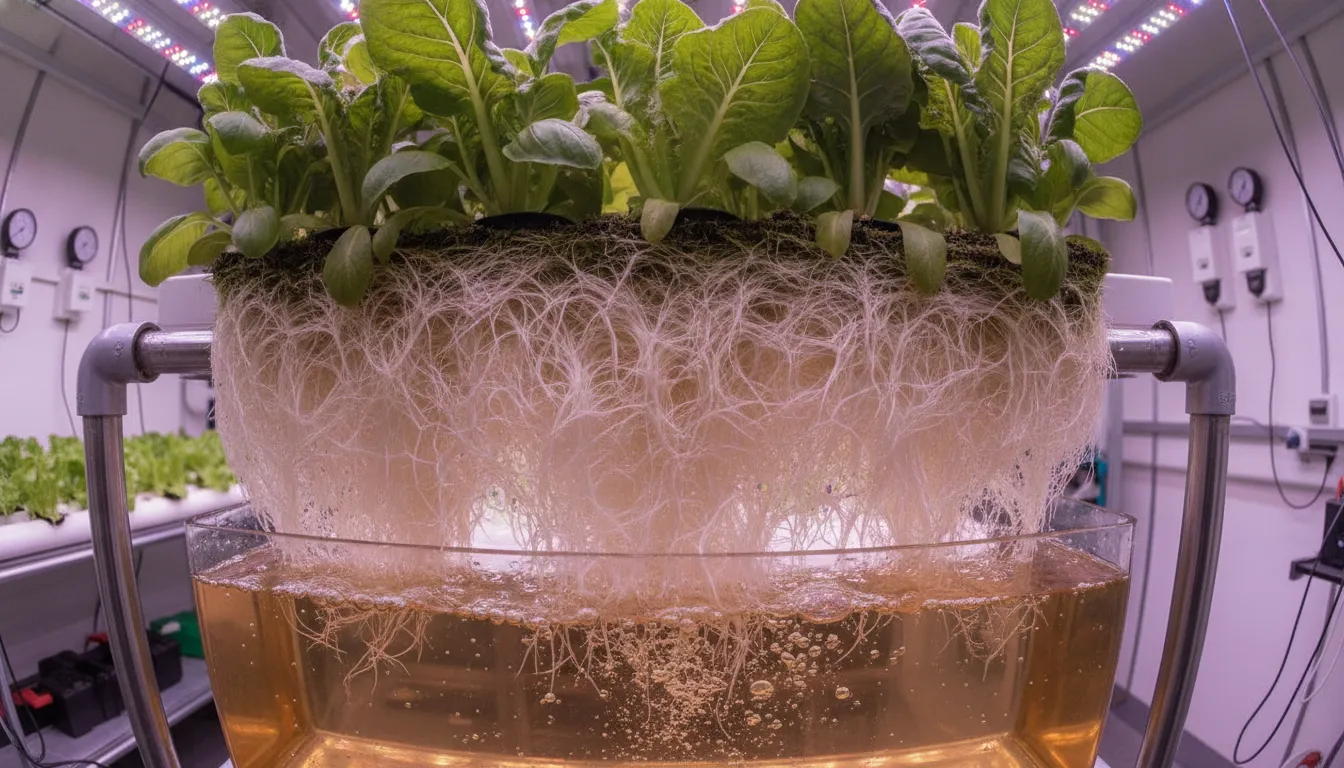
Why water temperature and cleanliness matter
Water quality is the heart of your grow. If the water is too warm or dirty, your plants will suffer. You must keep a close eye on the state of your tank to ensure long term health. Watch these factors to help you avoid common traps like root rot and slow growth.
Water heat and oxygen
The heat of your water changes how much oxygen it can hold. Cold water holds more oxygen than warm water. If your tank gets too hot, your plants may struggle to breathe. High heat can also lead to more work for your nutrient mix.
Most growers aim for a range between 65 and 70 degrees. Room heat and humidity play a big role in maintaining your hydroponic reservoir at the right level. If the water stays too warm, it creates a home for bad bacteria. This can damage your root systems fast and stop your crop in its tracks.
Algae and slime prevention
Keeping things clean is not just about clear water. It is also about keeping light out of your tank. When light hits your nutrient mix, algae can start to grow. Algae will steal the food meant for your plants. It can also clog your pumps and air stones, which slows down your system.
To keep things clean, use a tank that does not let light pass through. You should also wipe down any gear that sits in the water. Clean your tools often to stop slime from building up. If you notice a green tint or a bad smell, it is time for a full scrub and a water change.
Root health and germs
A dirty tank is a place where pests and germs grow. Root rot is a common problem that starts in still or warm water. Once it starts, it can be very hard to fix. Keeping your water clean is the best way to stop this issue before it starts.
Using the same mix for too long can also cause problems. Over time, plants use up some minerals and leave others behind. Work from the National Institutes of Health shows that old solutions can slow plant growth. This happens because the nutrient balance shifts and causes gaps in what the plant needs.
You should also monitor your reservoir levels to check for salt buildup. High salt levels can stress your plants and make it hard for them to drink. Experts at Oklahoma State University note that checking pH and salt is key to avoiding plant harm. A clean tank and fresh water keep your grow stable and strong.
When should you change the reservoir early?
Most growers stick to a set plan for hydroponic system care. But a calendar does not always tell the whole story. Your plants may use more food or water than you expect. This can throw off the balance of your tank. Knowing how often to change hydroponic reservoir water means watching for red flags. If you spot trouble, a fresh start is the best way to save your garden.
Foul smells and cloudy water
Fresh nutrient water should be clear and have no scent. If your tank smells like old gym socks or sulfur, bacteria may be growing. Cloudy or murky water is another sign of a poor system. You might also see a thin film or "slime" on the surface of the water. You may also find it on the walls of the tank. These signs mean your water is no longer safe for your roots. A quick monitor of your reservoir levels can help you catch these issues early. Do not wait for a set day if the water looks or smells bad.
Shifts in pH and EC levels
Your water quality changes as your plants grow. You should use a meter to check your pH and EC every day. EC stands for electrical conductivity. It tracks the amount of salts in your mix. If your EC climbs too high, it can cause stress for your plants. This makes it hard for them to drink. As noted by Oklahoma State University, keeping these levels steady is key to plant health. If your pH swings wildly and will not stay in range, your mix may be out of balance. In these cases, it is better to flush the tank and start over than to keep adding more nutrients.
Root health and plant symptoms
The roots of your plants tell the most about the health of your system. Healthy roots should be bright white and firm to the touch. If they turn brown, feel mushy, or look slimy, you likely have root rot. This often happens when the water gets too warm or does not have enough air.
Your plants will also show signs of stress above the water line. Watch for yellowing leaves, slow growth, or wilting even when the tank is full. Research from the National Institutes of Health shows that reusing old water for too long can hurt growth. By maintaining your hydroponic reservoir and changing the water at the first sign of trouble, you can keep your harvest on track.
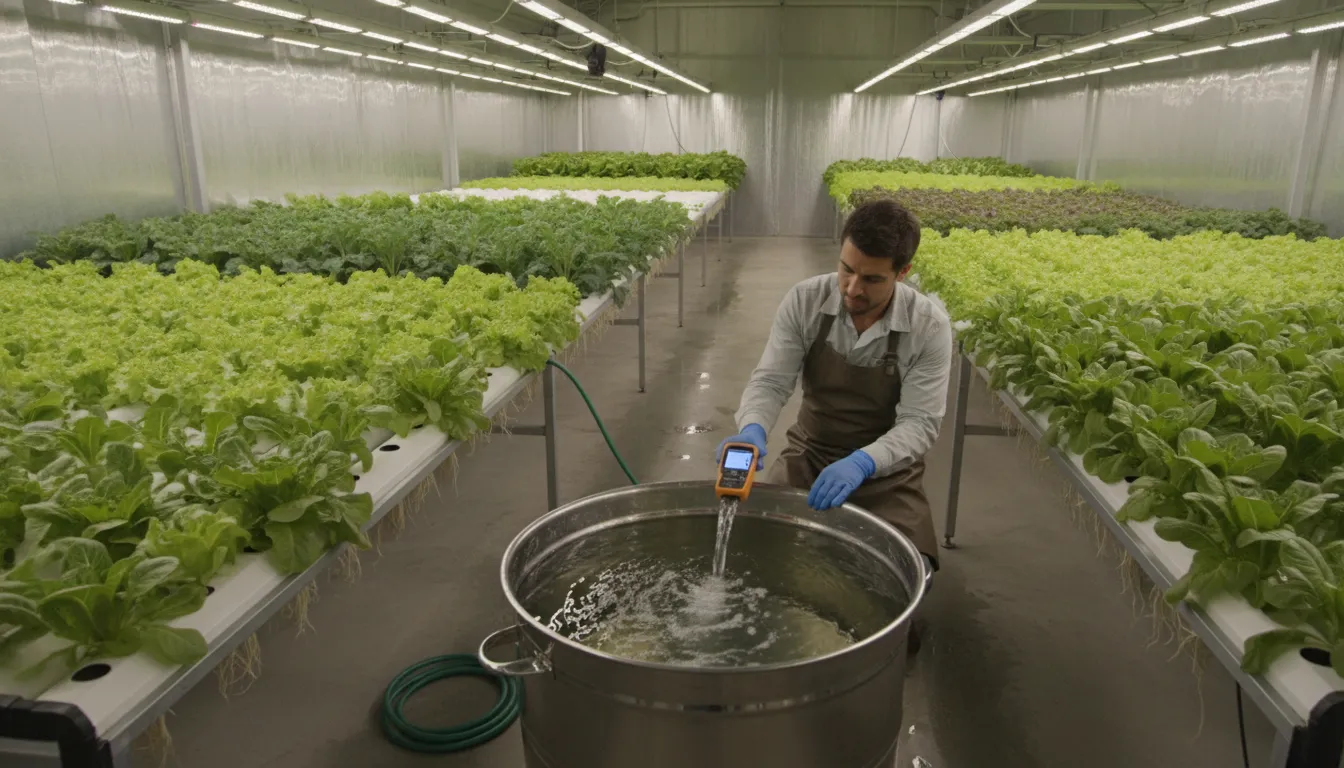
How to change hydroponic reservoir water safely
A full water change is the best way to keep your plants healthy. Most systems need a full switch every two to three weeks to stop salt buildup and keep nutrients balanced. Doing this right helps you avoid plant stress and keeps growth on track. For more help with your grow, call us at 866-GRO-INDR.
Preparing your workspace
Before you start, gather your tools. You will need a clean bucket, fresh water, and your nutrient kit. It is also a good time to check your pumps and air stones. Make sure your new water is at room temperature to avoid shocking the plant roots. Being ready helps you maintaining your hydroponic reservoir without delay.
Safety is key when you work with water and power. Always unplug your pumps and heaters before you open the tank. This protects you and your gear. You should also have your pH and EC meters ready to test the new mix right away. Keeping a safe work area ensures you can focus on the health of your crop.
- Drain the old water. Remove it from the tank using a pump or a drain valve.
- Wipe the inside. Clean of the tank with a soft cloth to remove any film or grit.
- Fill the tank. Add with fresh, clean water up to the fill line.
- Mix your nutrients. Add them into the water one by one based on the feed chart.
- Stir the water. Mix well to make sure the salts dissolve and the mix is even.
- Test pH and EC. Check and EC levels to ensure they are in the safe range for your plants.
- Restart your pumps. Plug them in and check that the water is flowing to all plants.
Checking your new solution
Once the tank is full, you must check the quality. Use your meters to monitor your reservoir levels and salt levels. High salt levels can cause osmotic stress, which makes it hard for plants to take in water. A clear reading helps you know if the mix is safe for your garden.
You should also track your results in a log. Write down the pH and EC levels every time you change the water. This helps you see how fast your plants use nutrients. Proper hydroponic system maintenance is easier when you have good data to follow each week.
Monitoring pH is vital because it changes how plants take up food. If the pH is too high or too low, your plants may stop growing even if the water is full of nutrients. Most experts suggest a lab water analysis as a first step to understand your base water quality.
Frequently Asked Questions
Is it okay to top up the reservoir instead of changing it?
You can add fresh water to your tank every day to replace what plants drink. However, this is not a replacement for a full change. Over time, plants leave behind salts that can become toxic to roots. A full swap every two to three weeks resets the balance and prevents root stress in your system.
Do you need to replace your hydroponic reservoir water every week?
Most growers do not need a weekly change unless they have a very small tank or a fast-growing crop. Smaller systems are less stable and may need fresh water more often. For most standard setups, a full change every 14 to 21 days is enough to maintain a healthy environment for your crops to thrive.
Can you use tap water for your hydroponic reservoir change?
Yes, you can use tap water, but you must check its quality first. According to Oklahoma State University, your base water should have sodium levels below 50 ppm to avoid plant damage. You should also let tap water sit for 24 hours to let chlorine escape before adding any nutrient mix.
How long can hydroponic nutrient solution sit before it goes bad?
A properly mixed nutrient solution typically stays safe for about two to three weeks in a clean reservoir. If the water is kept cool and dark, it stays stable for a longer period. If you notice a foul smell or slime, the water has gone bad and needs an immediate change to protect your roots from pathogens.
What should you do if you are unsure about your reservoir maintenance?
If you have questions about your system, the experts at GroIndoor can help. You can call our team at 866-GRO-INDR (866-476-4637) or email support@groindoor.com for free advice. We can guide you on the best plan to keep your indoor garden healthy and growing well all year long.
Ready to get the best results from your hydroponic garden?
Old water builds up salts and waste that slowly starve your plants of air. If you wait too long to change it, you risk root rot and food lockout that can ruin your grow in days. Fresh water gives your roots the clean space they need to drink and grow fast right away. Changing your water now means you will see better plant health and bigger yields by next week. It is the simple way to handle your hydroponic system care and avoid the high cost of lost crops. You do not want to spend months growing only to watch your plants fail at the end because of bad water. Taking action today protects your hard work and keeps your garden on track for a great harvest.
Shop hydroponic nutrients and reservoir supplies to keep your system clean.
Tags: