


A single pump failure can kill a full grow room of plants in less than twenty-four hours. This risk makes the choice between water and tray systems a vital choice for every grower. You must balance setup costs with daily care to keep your garden healthy.
Shop DWC hydroponic systems or explore ebb and flow systems to build the setup that fits your grow.
DWC vs ebb and flow are the two most popular systems for indoor growers who want high yields. Deep water culture (DWC) keeps roots in a steady bath of airy water, which is great for leafy greens. Ebb and flow systems use a pump to flood a tray and then drain it, giving roots a cycle of air and water. While DWC systems are often cheaper to start at about $199.95, ebb and flow setups can cost more than $699.95 according to industry data. DWC works well for small spaces and low care, but ebb and flow is better for big crops like tomatoes. Both systems need steady power to keep plants alive.
Each system has pros and cons that change your daily work and final harvest. To help you pick the best setup for your own grow room, we have put together a guide on how these methods work. To understand the differences, the path begins with
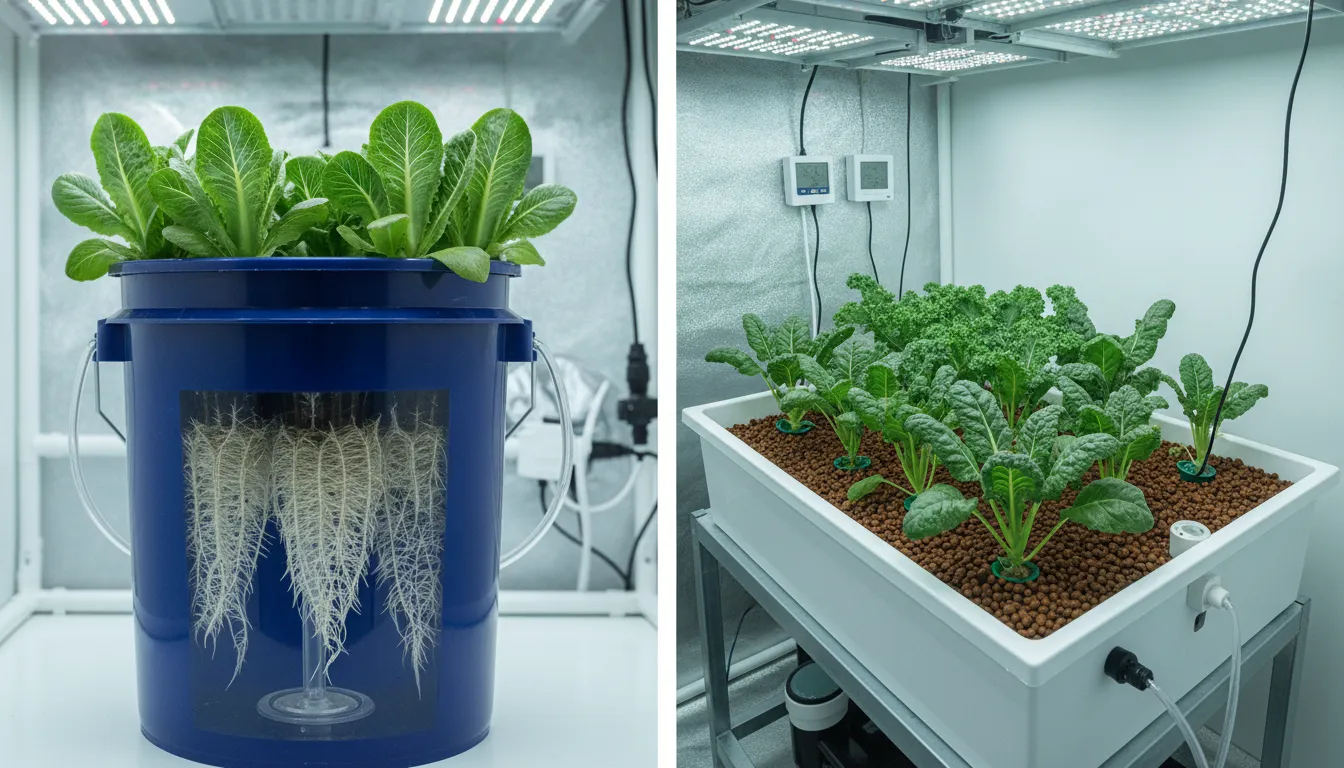
DWC vs ebb and flow at a glance
Choosing between Deep Water Culture (DWC) and ebb and flow systems is a key step for any grower. Both methods offer unique ways to deliver food and air to your plants. While DWC keeps roots in a deep bath of food, ebb and flow uses a cycle of flooding and draining. Understanding these core differences helps you pick the choosing the best hydroponic system for your specific grow space and goals.
How the systems work
A DWC system uses an air pump to provide air to roots that stay under the water. This keeps the root zone rich in food at all times. In contrast, ebb and flow systems use a timer to flood a tray with food. Once the tray is full, the water drains back into a tank. This movement of water pulls fresh air into the roots as the liquid leaves. This cycle helps plants grow strong and stay healthy.
Costs and space
For those starting small, DWC is often cheaper. A basic setup can cost about $199.95, while ebb and flow kits may start closer to $699.95 (Miilkiiagrow). DWC is also very small and works well in tight areas. Ebb and flow setups offer more room for growth and can support larger plants like tomatoes. Using a home hydroponic setup allows you to scale your garden as you gain more skill.
Compare DWC and ebb and flow
| Feature | Deep Water Culture (DWC) | Ebb and Flow |
|---|---|---|
| Setup Cost | Low ($199+) | Higher ($699+) |
| Maintenance | Simple but needs air pump | Needs a timer check |
| Best Crop Fit | Fast herbs and greens | Large plants and saplings |
| Space Needs | Compact and tight spaces | Needs more room for trays |
| Failure Risk | High if air pump stops | Low if power goes out |
Each system has its own needs for upkeep. Ebb and flow lets you use many types of media like coco coir or bark. DWC keeps it simple with just water and air. No matter which you choose, daily checks are the key to a big harvest. If you need help picking beginner friendly hydroponic systems, our team can guide you to the right choice.
Which system costs less to set up and run?
Cost is a top concern when choosing the best hydroponic system for your space. Deep Water Culture (DWC) kits often have a lower price for small home grows. A basic DWC setup might cost about $200, while ebb and flow kits often start near $700 (Source: Miilkii Grow). This price gap makes DWC the go-to for many new growers on a budget.
Initial gear and setup
DWC systems use fewer parts and take less time to build. You mainly need a tank, net pots, and an air pump to keep roots healthy (Source: GrowAce). Ebb and flow systems are more complex. They need a flood tray, a large tank, and a water pump. You must also use a reliable timer to manage the flood and drain cycles (Source: Oregon State University). This extra gear adds to both the cost and the work needed to get started.
Running costs and water use
Daily costs vary between these two systems. DWC is very efficient and typically uses less water over time. It also needs less maintenance, which helps keep your long term costs low (Source: Miilkii Grow). Ebb and flow systems may use more power for the water pump. But they offer more choices for a home hydroponic setup. You can use media like coconut coir or bark to support roots, but this is a cost you must pay for every new grow cycle.
Long term value and growth
DWC is cheaper to start, but ebb and flow can be better for large crops. If you grow big plants like tomatoes, the deep trays in an ebb and flow system offer more root space (Source: Oregon State University). For those seeking beginner friendly hydroponic systems, DWC is a great starting point. Both setups need regular checks on nutrient levels to keep plants from getting sick or losing food (Source: Miilkii Grow).
Maintenance and day-to-day management
Keeping a garden healthy starts with daily care. When looking at DWC vs ebb and flow systems, you will find that each has its own set of chores. Both setups need you to check the plant food and water levels often to keep your crops strong. This helps you avoid problems like root rot or a lack of food for your plants. Proper care is key when choosing the best hydroponic system for your home.
Daily checks and tasks
You should start each day by checking the pH and food levels in your tank. Plants drink water and eat food at their own rates based on the heat and light. In DWC systems, you must make sure the air pump is always running. This pump gives air to the roots that sit in the water. For ebb and flow, you need to check the timer that controls the pump. A good timer is a must for these systems to work well.
Checking for leaks is also a smart daily task. Ebb and flow setups have more parts that move water around, so leaks can happen more often. You should look at the tubes and the tray to make sure all the water stays where it should. In DWC, you mainly need to check that the air stone is still making bubbles. If the bubbles stop, the roots can drown in just a few hours. This is why many growers prefer beginner friendly hydroponic systems that are easy to watch.
Weekly tank care
Once a week, you should do a deeper check of your water tank. As plants grow, they leave behind salt and waste. For ebb and flow, you can use pure water to rinse out any salt that builds up in the grow media. This keeps the roots clean and helps them take in food better. DWC systems use less water over time and may need fewer full water changes, but you still need to watch for grime. Here is a list of weekly tasks for both systems:
- Test the water and top it off with fresh mix.
- Check the roots for any brown spots or bad smells.
- Clean the filters in the pumps to keep the flow strong.
- Wipe down the sides of the tank to stop mold from growing.
Handling cycles and cleaning
Handling the flood cycle is vital for plant health in ebb and flow setups. You can change how deep the water gets or how long it stays in the tray to stop pests. Drying out the top of the grow media can help keep bugs away. Using a flood table with ridges also helps the water drain out fast so it does not sit and rot. These small steps make a big change in how well your plants grow.
In DWC, the main work is keeping the water cool. If the water gets too hot, it cannot hold enough air for the roots. You may need to add ice packs or use a water chiller if your grow room is warm. While DWC may cost less to run over time, it needs a steady eye on the air flow. If you follow these tips, your water-based garden will grow well for a long time.
How do oxygenation and water delivery compare?
Oxygen and water are the two main needs for plant roots. Both hydroponic systems give these to your plants, but they do it in very different ways. Choosing between DWC vs ebb and flow means looking at how your roots get their air and food.
Oxygen in the root zone
In a DWC setup, roots stay in water all the time. To keep them from rotting, you must use air stones and pumps. These tools bubble air through the water to give roots the oxygen they need. If the pump stops, the roots can die fast because the water runs out of air.
Ebb and flow systems use a different method. They flood the plant roots with water for a short time and then let it drain away. This cycle lets roots pull in fresh air from the room while they are not under water. This way of breathing can help stop root rot and other health issues, as noted by Oregon State University.
Water and nutrient access
Water delivery is more direct in DWC. Plants have a constant supply of food since they sit in the mix all day. This is great for fast-growing crops that need a steady drink. But you must watch the water heat closely. Warm water holds less oxygen, which can hurt your plants.
Ebb and flow systems give roots a drink on a set plan. A timer tells a pump when to flood the grow tray. Between these floods, the roots stay wet but are mostly in the air. This method is good for larger plants that need more space to grow. You can also use pure water in some cycles to help rinse out salt buildup from the media.
Choosing the right fit
Neither system is best for every room. DWC is often small and fits well in tight spots. It is also a simple choice for new growers who want to start fast. But it needs more care to keep the water cool and full of air.
Ebb and flow gives you more ways to grow. You can use many types of media like bark or coco coir. This makes it a top pick for people who want to grow big plants like tomatoes. Both setups need you to check your water levels often to keep your garden healthy.
Which crops fit each hydroponic system?
Choosing between a DWC vs ebb and flow system often depends on what you want to grow. Each setup has its own strengths for different types of plants. Some crops love to sit in water all day. Others need a dry period to thrive. Matching your plants to the right method will help you get the best harvest. Compare dedicated DWC hydroponic systems with ebb and flow hydroponic systems to find the format that fits your crop goals. Using the right grow tents can also help you manage the heat and air for these crops.
Fast-growing greens in DWC
Deep water culture (DWC) is a top pick for leafy greens and herbs. These plants grow fast and have small roots that do well in water. Lettuce, kale, and basil stay healthy when their roots are always in the nutrient mix. Since the roots stay wet, these plants do not face as much stress from drying out. This helps them grow quickly and stay tender. These systems are easy to set up for home use.
Small plants like mint or spinach also work well in DWC setups. These systems are great for tight spaces where you want to grow a lot of food. Because the roots hang in water, they can get all the food they need without much work from you. But you must make sure the air pump stays on to give the roots enough oxygen. Without air, the roots can rot and the plants will die quickly.
Larger crops for ebb and flow
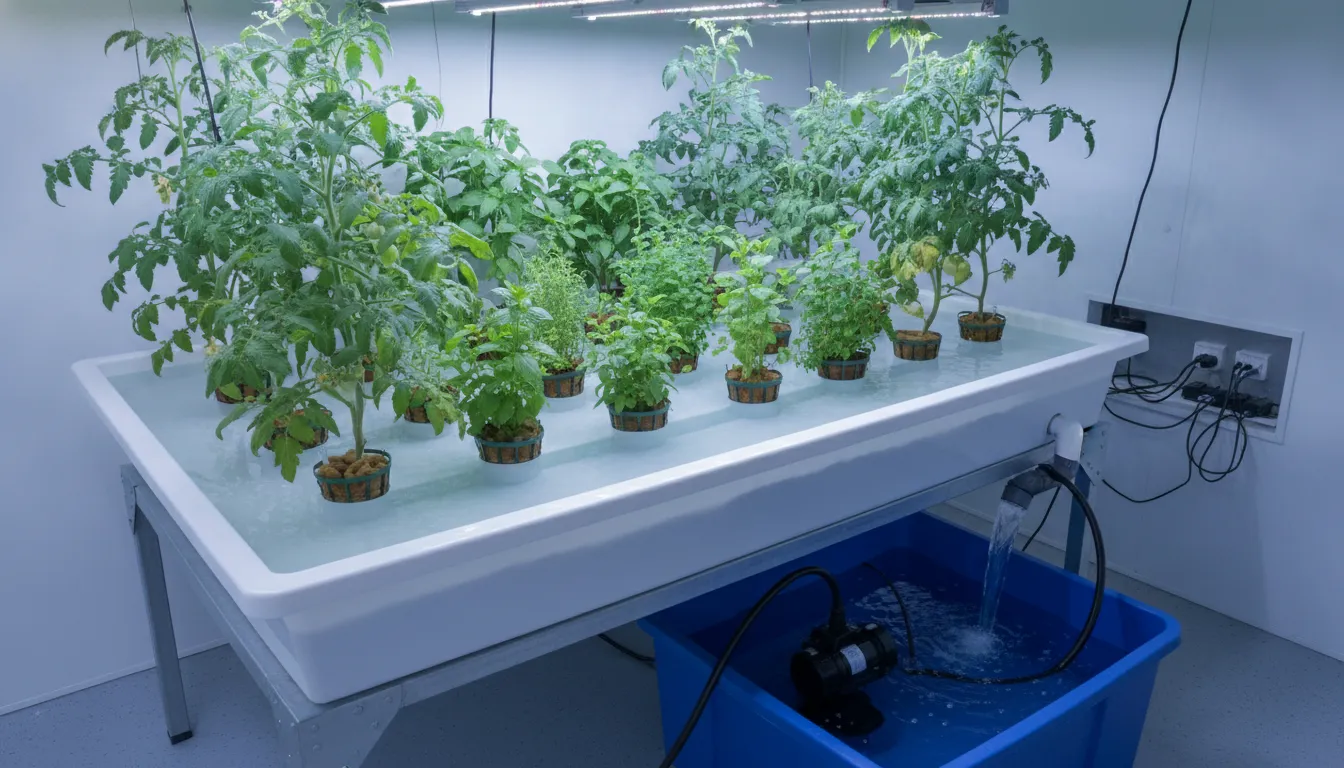
Ebb and flow systems are better for big plants that need more support. This method works well for tomatoes, peppers, and even small trees. These plants have large roots that need a lot of space. The flood and drain cycle gives them the room they need to expand. Deeper growing media allows for longer flood times to support these larger crops. This gives the roots the grip they need to hold up heavy fruit.
Woody plants or those that take a long time to grow also thrive here. The dry period between floods lets the roots breathe deeply. This helps prevent diseases that can hurt big plants in other systems. You can use different types of media like clay pebbles or rockwool to help hold the plants in place. This makes ebb and flow a strong choice for a varied garden.
Root space and media choice
The type of media you use can change which crops you grow. Ebb and flow systems let you use many kinds of pots and trays. This means you can grow plants of different sizes in the same system. You can move pots around as plants get bigger. This is hard to do in DWC where each plant usually has a fixed spot in a lid. Being able to change things easily is key if you like to try new things in your garden.
Plants with large roots can clog the tubes in some systems. But ebb and flow trays are open and easy to clean. You can see the roots and make sure they are healthy. For plants like cucumbers or squash, this extra space is vital. They can spread out without crowding other plants. You can also use pure water in some cycles to rinse out salt from the media. Choosing the right system for your crop size will save you a lot of trouble later.
Failure risks and how to reduce them
Every garden faces risks, but DWC vs ebb and flow systems have different weak points. If you know these risks, you can stop them before they hurt your plants. For example, home hydroponic setup owners must watch for pump and timer issues to keep their crops safe.
Mechanical and power failures
In a DWC system, the air pump is the most vital part. It gives air to the roots. If the pump stops or the power goes out, the roots can drown in minutes. Plants in DWC have very little time to live without a working air stone. You should keep a spare pump nearby to swap it out fast if the first one breaks.
Ebb and flow systems use a water pump and a timer to move food to the plants. If the timer fails or the pump gets clogged, your plants may dry out. Since roots are not always in water, they can stay safe for a short time if the media holds wetness. Using a reliable timer and a flood table with ridges can help ensure good flow and drainage.
Environment and plant health
Heat is a big risk for DWC. Since roots sit in a tank, warm water can lead to root rot. High heat lowers the air level in the water, which invites bad germ growth. Ebb and flow systems have less risk of heat build-up because the water moves back and forth. This movement keeps the water cooler and lets the roots get fresh air often.
Leaks and clogged drains are common in ebb and flow setups. If a drain line gets stuck, the tray can spill over and waste your plant food. Also, since many plants share one tank, a sickness in one plant can spread to the rest fast. Regular cleaning is needed in beginner friendly hydroponic systems to prevent salt build-up and keep drains clear.
Steps to reduce system failure
Follow these steps to keep your system running and your plants healthy:
- Check pump flow daily. Make sure air stones in DWC produce bubbles and water pumps in ebb and flow move water freely.
- Test your timers often. Verify that the flood cycles start and stop at the right times to avoid dry roots or tray floods.
- Clean your filters and lines. Remove trash from the pump intake and drain lines every week to prevent clogs and leaks.
- Monitor water heat. Use a chiller or move your tank to a cool spot to keep water below 70 degrees and stop root rot.
- Rinse your media. Use pure water for some flood cycles in ebb and flow to wash out salt and keep the media fresh.
Scalability and the best choice for your grow
Choosing the right setup depends on how large you want your garden to grow. Both systems offer ways to add more plants, but they handle growth in different ways. Small home setups and large farm grows often need very different tools to stay healthy and productive.
Growing from small to large
If you start with a few plants, Deep Water Culture (DWC) is often the cheaper choice. Initial costs for DWC are about $199.95. In contrast, ebb and flow systems can cost $699.95 or more. DWC works well in tight spaces because each bucket can act as its own unit. This makes it a top pick for home hydroponic setups with limited room.
As you add more plants, ebb and flow systems become easier to manage. A single pump and reliable timer can feed dozens of plants at once. This reduces the work needed to check each root zone. For those with many plants, this setup saves time and cuts the need for many air pumps.
Complexity and root health
Larger grows bring more risks for plant health and plumbing. In DWC, each bucket needs its own air stone to keep roots from rotting. If you have many buckets, the noise and heat from air pumps can become a burden. Ebb and flow systems use a flood table that improves drainage. This helps keep roots dry and safe between cycles. Air exposure is vital for larger crops like tomatoes that need more root space.
Managing salt buildup is also simpler in larger ebb and flow setups. You can use pure water flood cycles to rinse out salts from the media. This is much harder to do in DWC without changing the water in every single bucket. For high-volume growers, the ease of flushing the system makes it a smart choice for long-term health.
The best fit for your style
Your choice should match your goals and your budget. If you want a small, fast-growing crop like lettuce or herbs, DWC is a great starting point. It costs less and fits in small tents or closets. It is one of the most beginner friendly hydroponic systems for those just trying out the hobby.
If you plan to fill a large room, ebb and flow is the better path. It handles more plants with less gear and offers more ways to use growing media. No matter which you pick, you must monitor nutrient levels often to avoid root rot. For expert help picking your gear, call GroIndoor at 866-GRO-INDR or email support@groindoor.com.
Ready to choose? Compare our DWC systems and ebb and flow systems before you build your grow.
Frequently Asked Questions
What are the disadvantages of ebb and flow hydroponics?
Ebb and flow systems have a few downsides for growers. First, they cost more to start. A full kit can cost about $699.95. They also need a timer to work well. If the timer fails, your plants might not get water. These systems can also lead to salt buildup in the tray. According to Oregon State, you may need to use pure water at times to rinse out these salts and keep your crops healthy.
What are the pros and cons of DWC?
Deep Water Culture (DWC) is a great low cost choice for small spaces. These systems are easy to set up and use less water than other methods. They work well for fast herbs and greens. However, DWC relies on an air pump to keep roots alive. If the pump stops or the power goes out, your plants can die in a few hours. You must check the water and food levels often to avoid root rot and keep plants in good shape.
Does DWC increase yield?
Yes, DWC can help you get a bigger yield for many fast-growing plants. Because the roots stay in a bath of food and air, they can grow very fast. This method is a great way to grow lettuce and herbs. According to industry reports, DWC systems are small and work well in tight spots. This helps you grow more food in a small space. Steady food and air help the plants reach their full size quickly.
Can you use different growing media in ebb and flow systems?
Yes, ebb and flow systems are very flexible with the media you use. You can use pots filled with coco coir, bark, or clay pebbles. This helps you grow a wide range of plants from small herbs to large tomatoes. This system supports many types of containers. Because the trays are open, you can move your plants as they grow. This makes it easy to manage a varied garden and keep your root zones healthy all year long.
Ready to shop the right hydroponic system?
If you wait too long to pick your new grow setup, you lose weeks of growth and fresh food you could have for your home. Buying the wrong gear can lead to root rot or low yields that waste your hard work and your money so you should start now. Our team is here to help you pick the right tools for your space so you can grow plants with ease and see fast results.
Ready to shop the right hydroponic system? Shop DWC systems or browse ebb and flow systems to get your grow started today.
Tags: