


Yellow leaves and stunted roots often signal that your indoor garden needs more than just basic nitrogen. Adding a marine supplement helps plants stay healthy in small pots by providing deep nutrition from the sea.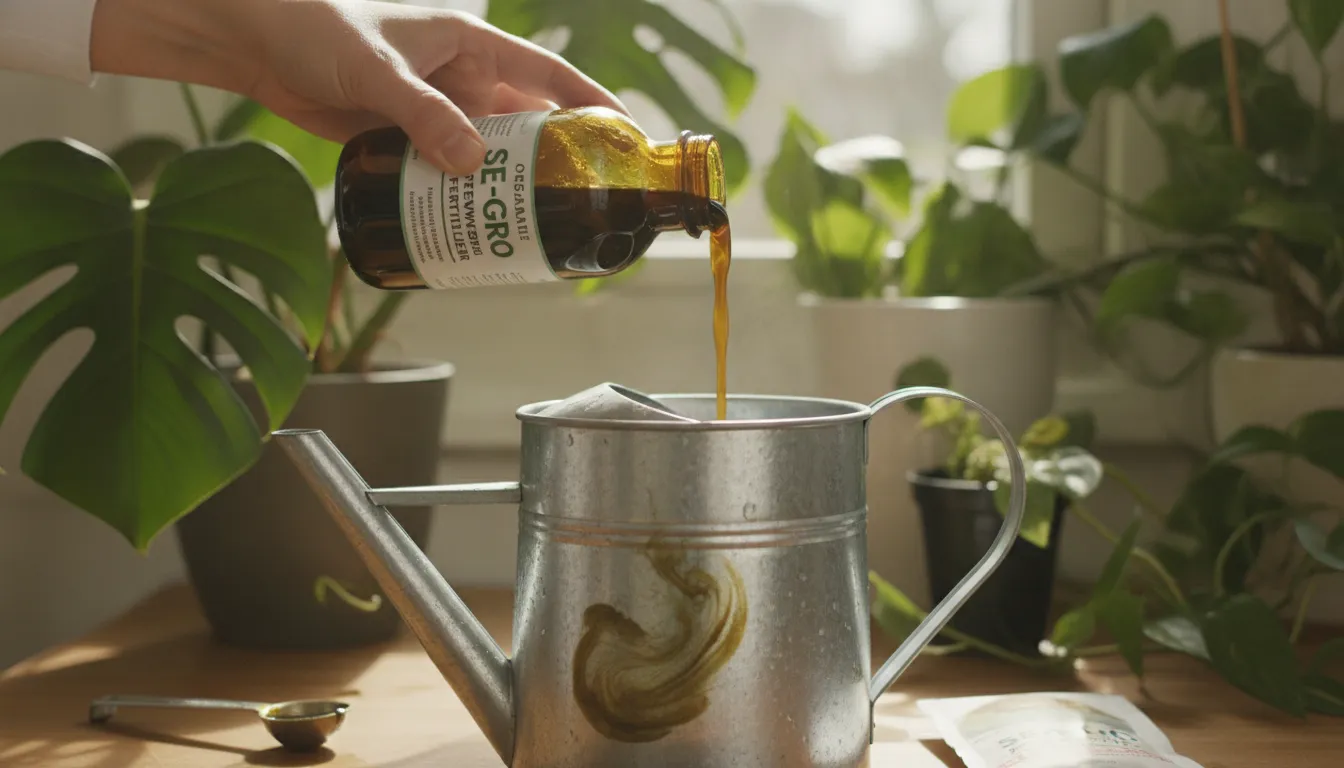
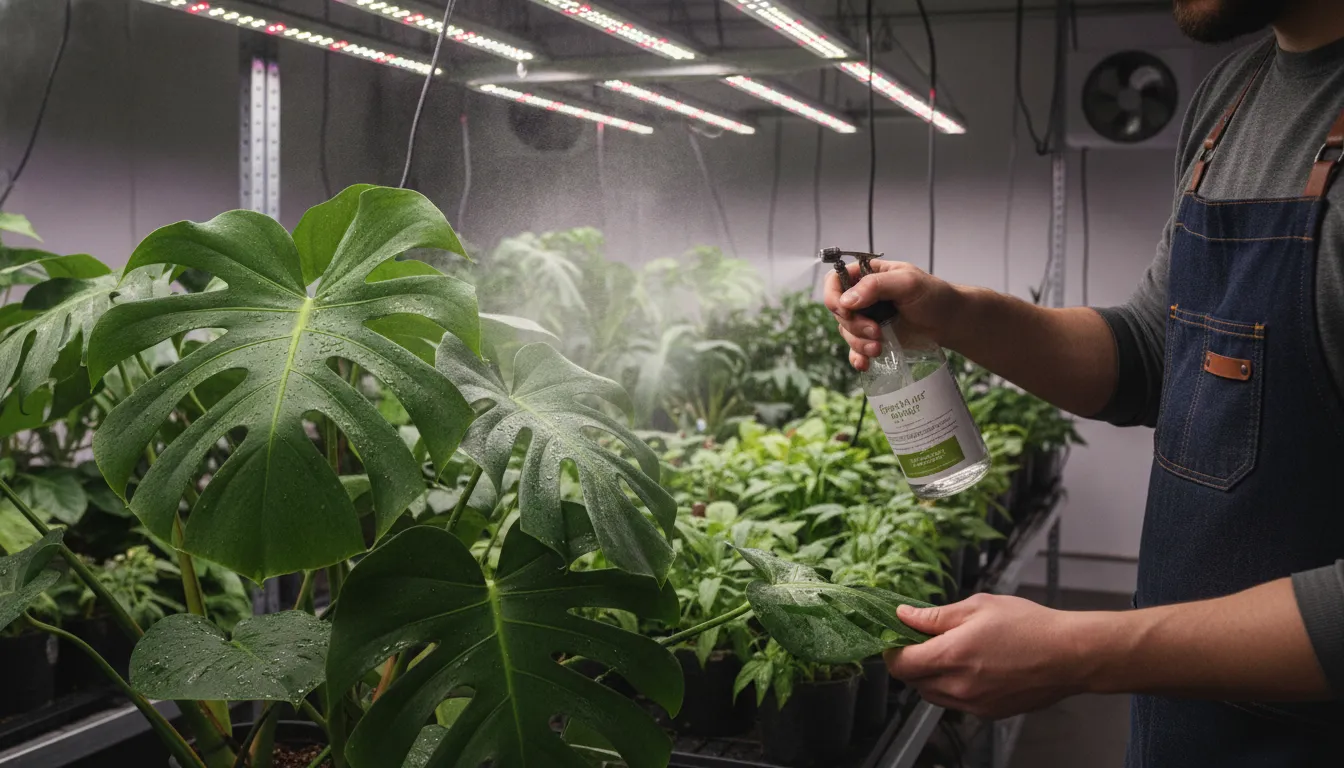
Organic liquid seaweed fertilizer is a powerful plant supplement made from North Atlantic kelp. It contains over 60 trace minerals and natural growth hormones that help plants build strong roots and resist stress from heat or dry air. Unlike standard plant food, these extracts act as natural boosters to improve how plants take in nutrients and water. Many home growers use an organic liquid kelp extract as a foliar spray or a soil drench to fix mineral gaps and boost total plant vigor. Recent studies show that seaweed extracts help plants manage salt stress and improve soil health by feeding helpful microbes.
Shop Roots Organics Extreme Serene Organic Kelp Extract Now
Before you add this supplement to your garden, you should understand how it works and what makes it different from other plant foods. This guide explores what organic liquid seaweed fertilizer is so you can get the best results.What Is Organic Liquid Seaweed Fertilizer?
Organic liquid seaweed fertilizer is a plant additive made from harvested sea algae. Most top versions use Ascophyllum nodosum, a type of brown kelp found in the cold waters of the North Atlantic. This plant is a powerhouse of nutrition because it must survive harsh tides and significant temperature fluctuations. Makers harvest the kelp and process it into a thick liquid. Growers can then easily mix this with water for soil or leaf use. GroIndoor carries several organic plant nutrients that include kelp-based formulas.
A Full Profile of Trace Minerals
While many standard feeds focus only on nitrogen, phosphorus, and potassium, organic liquid kelp extract gives a much broader range of nutrients. It contains more than 60 trace minerals, including iron, zinc, magnesium, and manganese. These parts are vital for plant health but are often missing from thin soil or simple man-made mixes. By using a seaweed-based feed, you ensure your indoor garden has the full set of tools needed for complex cellular tasks and enzyme work. For a deeper look at how these minerals interact, read our guide on NPK ratios and plant nutrition.
The Role of Natural Growth Hormones
One of the most valuable parts of an organic liquid seaweed fertilizer is its high count of natural growth hormones. These include cytokinins, auxins, and gibberellins, which act as signals for the plant. Cytokinins help with cell division and leaf growth, while auxins drive root growth and help the plant react to light. Gibberellins are needed for stem growth and seed germination. These compounds are why seaweed is often called a biostimulant rather than just a simple food source.
Cold Processing and Organic Standards
The way seaweed is handled during production makes a big difference in its final quality. Many brands use cold-processing steps to pull the nutrients from the raw kelp. Unlike heat-based methods, which can break down fragile hormones and vitamins, cold processing keeps these parts whole and ready for plant use. When picking a product, look for those with an OMRI listing. This mark ensures the fertilizer meets strict organic rules for safe use in food and flower growth.
Low NPK and Supplemental Use
It is important to know that organic liquid seaweed fertilizer is usually not a full base feed. Most liquid kelp products have a very low NPK ratio, such as 0-0.5-1 or 0-2-2. This low profile is actually a plus. It lets you add the seaweed to your current feeding plan without risking nutrient burn. It acts as a booster that fills the gaps in your plant's diet. Using it with a main nutrient line gives the trace minerals and hormones needed to push your plants to their full potential without over-feeding. Many growers pair seaweed with organic nutrients designed for coco coir for a well-rounded feeding program.
What Are the Key Benefits of Using Liquid Seaweed in Your Garden?
Applying an organic liquid kelp extract from Roots Organics helps your garden in many ways. These natural products work as biostimulants that boost plant health and vigor. A 2024 review in Scientia Horticulturae shows that seaweed extracts improve growth and help plants handle environmental stress.
Stronger Root Systems
One major gain from using seaweed is better root growth. The natural compounds in the liquid prompt root hairs and secondary roots to grow faster. This helps plants take in more water and food from the soil. Strong roots also anchor the plant well, leading to a more solid frame during the growth stage.
Seaweed also helps with seed germination. Soaking seeds in a light mix of seaweed extract can help them sprout faster and with more vigor. This early boost sets the stage for a healthy life. This is vital for indoor growing where a fast start is key. If you are seeing signs of poor root health, check our guide on common nutrient deficiencies in indoor gardening for troubleshooting tips.
Better Stress Resistance
Plants often face stress from heat, cold, or dry spells. Seaweed extract helps plants manage these temperature and water fluctuations. It builds up the plant's own defense systems to keep it healthy when conditions are not perfect. This stress protection is key for maintaining high yields in a garden.
Liquid seaweed also works as a natural wetting agent. For example, some products use soap-like compounds to help leaves absorb nutrients when you spray them. This allows for better nutrient uptake through the leaves without the need for extra chemicals. By boosting the plant's own defenses, you get a garden that can fight off pests and diseases more easily.
Improved Soil Health
Seaweed does more than just feed the plant; it feeds the soil. It contains humic acid and other compounds that improve how soil holds water and air. This change makes the growing medium a better home for beneficial soil life. These microbes break down nutrients for the plant to use. Products like Roots Organics Ancient Amber work alongside seaweed to boost soil biology with humic and fulvic acids.
Using seaweed extract also adds over 60 trace minerals to your garden. These small but essential elements, like zinc and iron, help with fruit development and color. Since seaweed is low in NPK, it works best as a supplement to your main feeding plan.
How to Apply Organic Liquid Seaweed Fertilizer: Root Drenching vs Foliar Spray
You can use organic liquid seaweed fertilizer in two main ways to boost plant health. Choosing between a root drench or a foliar spray depends on your goals for growth. Root feeding builds soil health over time, while foliar sprays give plants a fast lift through their leaves. Using both methods helps ensure your plants get the trace minerals they need during the full growing season.
Applying a Root Drench
A root drench is the most common way to use liquid seaweed in soil or coco coir. This method allows the seaweed extract to reach the root zone, where it helps soil microbes grow. According to a 2024 review in Scientia Horticulturae, seaweed extracts act as strong biostimulants that improve plant vigor and help crops manage stress from heat or salt.
To apply a drench, mix the concentrate with water before you feed your plants. If you use a product like organic liquid kelp extract from Roots Organics, the mix is 15 ml or one tablespoon per gallon of water. Use this mix once a week during the grow and bloom stages. For plants in hydroponic systems, add 10 to 15 ml per gallon to your tank with every water change to maintain steady growth.
Using a Foliar Spray
Foliar feeding is the fastest way for plants to take in nutrients. You spray a diluted mix onto the leaves where the plant absorbs it through small pores. This method works well because it bypasses the soil and sends compounds directly to the plant. Most liquid kelp products have natural wetting agents that help the spray stick to the leaves for better absorption.
For a foliar spray, use a weaker mix than you would for a root feed. A common ratio is 5 ml or one teaspoon per quart of water. For a larger batch, use 10 to 20 ml of concentrate per gallon. Apply the spray once a week to keep your plants healthy. You should also check your understanding of NPK ratios and plant nutrition to see how seaweed fits your overall plan.
Application Steps and Timing
Follow these steps to get the best results from your organic liquid seaweed fertilizer:
- Pick the right time. Apply sprays in the early morning or late evening. This is when leaf pores are open and the sun will not burn the wet leaves.
- Mix the solution. Add the concentrate to your water based on your chosen method. Use 5 ml per quart for sprays or 15 ml per gallon for root feeds.
- Apply the feed. Soak the soil at the base of the plant for a root drench. For a spray, coat the tops and bottoms of the leaves until they are wet.
- Set a schedule. Use the fertilizer every two to four weeks during the growing season. Most growers see the best results when they use it in mid-bloom for better flowers.
- Store it properly. Keep your bottle in a cool, dark place. This protects the natural hormones from breaking down so the product stays effective.
When Should You Apply Seaweed Fertilizer During the Growth Cycle?
Timing is a vital part of a good feeding plan for indoor crops. When you use an organic liquid seaweed fertilizer, you give your plants a boost of natural growth agents.
In an indoor garden, you control the light cycle, which tells the plant when to grow leaves and when to produce flowers. Since you set the pace, you must time your seaweed use to match these key transitions. A regular schedule of feeding every two to four weeks will keep the roots healthy and the plant strong.
Rooting and Vegetative Growth
You should start using seaweed soon after your seeds germinate. Wait until the young plants have at least two sets of true leaves before you apply the first dose. During this vegetative stage, the goal is to build a large root system and a sturdy frame. Seaweed is rich in auxins, natural hormones that signal the plant to grow more root hairs. More root hairs mean the plant can absorb water and nutrients much faster. Indoor growers should apply the seaweed mix every one to two weeks during this leafy stage. This steady supply of trace minerals helps the plant stay green and robust. For growers new to indoor gardening, exploring GroIndoor's full nutrient collection can help you build a complete feeding plan.
The Flowering Shift and Stretch
As you switch your lights to the bloom cycle, the plant grows very fast. This period is known as the stretch and is a high-stress time for any indoor crop. The plant needs extra support as it moves all its energy toward producing flowers. Cytokinins in the seaweed extract are very helpful here. They promote cell division, which helps the plant grow new tissue quickly without becoming weak or thin.
For the best results, focus your seaweed use on weeks three through six of the bloom phase. This mid-bloom timing helps the plant manage the intense lights and heat of a grow room. The extra boost ensures the plant does not stall as it begins to pack on weight. For more on bloom-phase nutrition, see our discussion of organic bloom boosters with kelp extract.
Regular Care and Stress Relief
Keeping your plants healthy until harvest requires a steady hand. Regular seaweed use strengthens the plant's defense against common indoor stresses. It helps the crop handle high salt levels in the soil and large swings in temperature. The trace minerals in the extract, like magnesium and iron, keep the plant active and ensure it produces energy even when the grow room is not perfect. Research from horticulture reviews confirms that seaweed helps plants resist drought and pests. By applying the fertilizer every two to four weeks, you build a plant that is much tougher than those grown with salts alone.
Liquid Seaweed vs Kelp vs Synthetic Fertilizers: What Is the Difference?
Seaweed and kelp fertilizers are common choices for growers who want to boost plant health. These terms are not the same. Knowing how they differ from lab-made options is key to a good harvest. These natural products act as biostimulants that help your plants use nutrients and handle stress.
Seaweed Versus Kelp Sources
Seaweed is a broad name for many types of sea plants. Growers use many of the 20,000 known sea plant species for plant food. Kelp is a specific type of brown algae from the Phaeophyceae family. The most common type used in an organic liquid seaweed fertilizer is Ascophyllum nodosum. This species grows in cold sea waters and is known for its high level of plant hormones.
These kelp extracts contain over 60 trace minerals, including iron, zinc, and magnesium. These minerals help plants build strong cells and stay healthy. Kelp extract ensures your garden gets the micronutrients that basic feeds often miss. For growers interested in a complete nutrient program, our guide to the best nutrient starter kits can help you choose the right base.
Natural Biostimulants Versus Synthetic Nutrients
Synthetic fertilizers focus on high NPK levels. They give a quick boost but lack natural growth hormones. Liquid seaweed is mostly low in NPK, often showing ratios like 0-2-2. Because of this, it works as a supplement instead of a main food source. You should use it as part of a larger plan for balanced plant nutrition.
Seaweed products contain natural hormones like cytokinins and auxins that help with root growth and stress management. This makes them a great match for organic nutrients for coco coir, where plants need extra support to thrive in a soilless mix. Synthetic options might provide more raw power, but they lack these natural tools for plant health.
Processing and Environmental Impact
Fertilizer quality depends on the manufacturing method. Cold-processing methods are best because they preserve more of the plant's natural bioactives. High heat can break down the delicate hormones that make seaweed so beneficial. Growers should look for OMRI-listed products, which meet the standards for the National Organic Program and ensure your garden stays truly organic and safe.
Seaweed is also better for the environment. Seaweed extracts break down naturally and are not toxic to the soil. In contrast, synthetic fertilizers can cause chemical runoff that harms local water supplies. Studies show that using seaweed in your garden is much more sustainable than using chemical options. This makes it the best choice for a clean and green indoor grow room.
| Feature | Liquid Seaweed | Kelp Fertilizer | Synthetic Fertilizer |
|---|---|---|---|
| Source | Various sea plants | Brown algae species | Chemical minerals |
| Primary Use | Trace minerals | Growth hormones | Fast NPK growth |
| Plant Hormones | Some levels | High levels | None |
| Soil Health | Improves structure | Feeds microbes | May harm microbes |
| Eco Impact | Very low risk | Safe breakdown | High runoff risk |
Frequently Asked Questions
Does organic liquid seaweed fertilizer work?
Yes. This fertilizer works as a growth booster to help plants grow strong. It has over 60 trace minerals and natural growth hormones. These components help roots grow fast and make plants resilient against heat or dry air. According to a 2024 review in Scientia Horticulturae, seaweed extract helps plants handle stress and grow better. It is not just a nutrient source but a way to boost overall plant health.
How often should you apply liquid seaweed fertilizer?
For most plants, use it every two to four weeks during active growth. If you spray it on the leaves, you can apply it once a week. Use a diluted mix and monitor how your plants respond. Reduce frequency when plants are not actively growing.
Can liquid seaweed fertilizer be used as a foliar spray?
Yes, foliar spraying is an excellent way to use it. Plants can absorb the minerals and hormones quickly through their leaf surfaces. This provides immediate nutrition when your plants need a fast boost. Apply sprays in the early morning or late evening when leaf pores are open. Products like Roots Organics Extreme Serene work well for this application method.
Is liquid seaweed the same as kelp fertilizer?
Kelp is a specific type of seaweed. Most kelp fertilizers come from a brown sea plant called Ascophyllum nodosum, which grows in cold ocean water and contains many growth-promoting compounds. People often use the names interchangeably, but kelp is a specific category of seaweed. Kelp has high levels of trace minerals that help indoor plants thrive and stay healthy.
Shop GroIndoor's Complete Collection of Organic Plant Nutrients
Ready to Improve Your Indoor Plant Health?
Waiting too long to fix poor soil health can lead to slow growth and lower yields. If you do not give your plants the trace minerals they need now, you may face weak roots and more plant stress later in the season. It takes time for a garden to recover once it starts to decline. You must act now to help your plants build strong stems and better pest resistance before the next growth stage begins. This simple step ensures your garden has the energy to grow well through the peak bloom phase. You will see the best results when you provide these vital plant foods early in the life cycle. Do not wait to fix problems after your plants are already under strain. Starting a liquid seaweed plan today will keep your indoor garden strong and healthy for the long term.
Ready to shop GroIndoor's complete collection of organic plant nutrients and liquid kelp products? Call 866-GRO-INDR to talk to a grower today.
Tags: