


Extreme temperature shifts and dry indoor air can stall your crops and ruin your harvest. These invisible issues place heavy physical demands on indoor gardens that standard fertilizers cannot solve alone.
Looking for proven supplements to protect your garden? Shop the Amino Acids and Vitamins collection now.
Using amino acids and vitamins for plants is a highly effective way to protect your indoor garden from abiotic stress and accelerate growth. These supplements provide direct building blocks for proteins, improve nutrient absorption, and support root development. Research confirms that B vitamins like thiamine improve metabolic processes and boost yields.
Every grower wants to get the most out of their garden setup. If you want to protect your crops from severe indoor stress and boost development, you must understand how these supplements work. We will cover the specific science behind these organic compounds in our next section, starting with What Are Amino Acids and Vitamins for Plants?
What Are Amino Acids and Vitamins for Plants?
Every grower knows that plants need light, water, and basic nutrients to live. But to get the best yields and strongest growth, plants also need organic compounds like amino acids and vitamins. While these are not replacement foods, they act as powerful bio-boosters. They help crops process primary nutrients, build tough cells, and survive harsh conditions in your indoor garden.
The Building Blocks of Plant Protein
Amino acids are the basic building blocks that plants use to make proteins. Plants naturally generate all 20 amino acids needed for protein synthesis by themselves. These proteins form the structural walls of the plant, build enzymes, and drive cell division. When you add supplemental amino acids, you save the plant from spending vital energy to make them. This extra energy can then go directly toward faster leaf growth, stronger stems, and larger blooms.
In addition to structural support, these compounds improve how your crop interacts with the growing medium. Added amino acids aid in stress tolerance and enhance nutrient absorption processes. They act as natural chelators, binding to minerals in the soil to make them easier for roots to take up. If you want to maximize this effect, consider combining these boosters with micronutrient supplements for balanced growth.
How Vitamins Assist Plant Enzymes
Vitamins act as essential helpers, or cofactors, for plant enzymes. Just like in humans, enzymes control the chemical reactions that keep a plant alive. Without vitamins, these enzymes cannot do their jobs. For example, B-complex vitamins help plants break down carbohydrates to release energy, while vitamin C protects cells from light and heat stress.
Unlike minerals that come from the ground, vitamins are complex organic molecules. In a natural outdoor setting, plants get some of these compounds from the soil. Many of these organic nutrients come from natural sources and must be broken down by soil microorganisms into bioavailable forms before roots can take them in. Supplementing these vitamins directly ensures your crops have a steady, ready-to-use supply, especially in sterile hydroponic setups where beneficial microbes are low.
How Amino Acids Support Protein Synthesis and Growth
Every plant needs a strong foundation to build cells, stems, and leaves. Supplemental amino acids give crops a direct biological advantage by streamlining their natural growth cycles. When you introduce these supplements to your garden, you help your crops bypass energy-intensive steps, allowing them to focus resources on development and overall yield.
The Building Blocks of Plant Structure
Proteins are required for almost every phase of plant development. To make these proteins, a plant must have access to amino acids. Although plants can produce all 20 amino acids themselves, the synthesis process requires a massive amount of metabolic energy.
Providing direct supplements saves precious resources that your crops would otherwise spend building these elements from scratch. When you utilize amino acid and vitamin-based stimulants, you give your plants ready-to-use building blocks. This metabolic shortcut allows plants to allocate more energy toward cell division, root expansion, and foliage production.
Protecting Crops Against Nutrient Stress
Nutrient deficiencies can stall a garden and reduce final yields. Supplementing with specific amino acids can safeguard your crops during times of low nutrient availability. For instance, research shows that arginine increases tolerance to nitrogen deficiency by modifying photosynthetic capacity and altering amino acid metabolism.
By keeping the plant functional even when soil nutrients dip, these supplements prevent common growth stalls. Furthermore, regular use of amino acids helps with stress tolerance and enhances standard nutrient absorption processes. This biological shield keeps your crops green, active, and productive through all stages of their life cycle.
The Role of B-Complex Vitamins in Plant Health
Indoor plants face unique challenges like dry air, low light, and small root zones. While macronutrients feed basic growth, B-complex vitamins help keep plants strong under stress. These vitamins work as organic helpers to boost cellular health and key life functions. Cultivators who supplement with these compounds can give their crops a distinct edge in growth and survival.
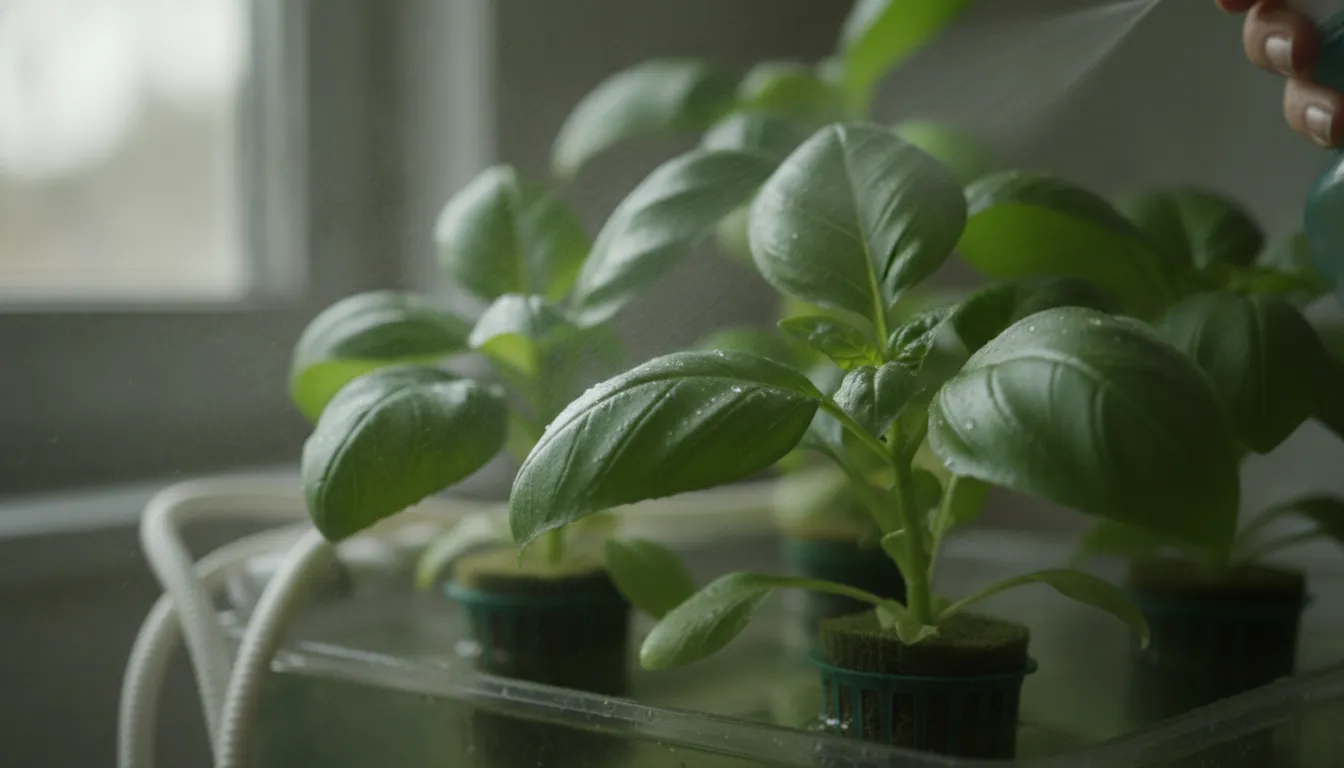
Supporting Root Systems in Hydroponics
In soil-free systems, plants do not have natural soil biology to help them. This makes supplemental vitamins essential for early root growth and health. Vitamin B-complex is particularly beneficial in hydroponic systems for supporting root development and mitigating transplant or abiotic stress. Using these vitamins can help young clones or seedlings set up a strong root system quickly. If you are addressing nutrient deficiencies with supplements, adding a B-complex formula is a smart way to protect roots from salt buildup and transplant shock.
Thiamine as a Metabolic Helper
Thiamine, or vitamin B1, is a vital enzyme cofactor in plant metabolic processes. It plays a primary role in helping plants turn food into usable energy. Research shows that thiamine is essential for plant health and can enhance crop yield and quality by improving these metabolic processes. When plants have enough thiamine, they can build tissues faster and use mineral feeds more efficiently. This metabolic boost is especially helpful during high-energy phases like flowering and fruiting.
Protecting Plants Against Drought Stress
Water loss can quickly damage crops and stall their growth. Foliar sprays of thiamine help plants cope with sudden water loss and hot dry conditions. Studies confirm that foliar application of thiamine can help plants alleviate the effects of drought-induced abiotic stress. Spraying this vitamin directly onto leaves lets the plant absorb it fast. This bypasses the roots to give immediate cell protection when soil moisture is low.
Can Plants Produce Their Own Amino Acids and Vitamins?
Plants have a unique ability to survive without eating other living things. To do this, plants generate all 20 amino acids necessary for protein synthesis on their own. They combine carbon, hydrogen, oxygen, and nitrogen to build these molecules. Through these complex paths, they also make the vital compounds and vitamins they need to live. However, while they can build these tools from scratch, doing so comes at a high cost.
The Metabolic Cost of Natural Synthesis
Building proteins and vitamins from basic elements takes a lot of energy. A plant must use up its stored sugars and run deep metabolic pathways to build each amino acid molecule. When a plant faces stressful conditions like extreme heat or poor light, this synthesis slows down. The plant must spend its limited energy on basic survival rather than on fast growth or flower production.
How Supplementation Saves Vital Energy
When you use amino acid and vitamin-based stimulants, you give your garden a shortcut. The plant can absorb these pre-made building blocks directly through its roots or leaves. Instead of spending vital sugars to construct these compounds from scratch, the plant saves that metabolic energy. It can then redirect those resources toward growing bigger roots, building stronger stems, and producing heavier yields.
Supporting Vigor During Environmental Stress
Supplementing is very useful when crops are under pressure from cold temperatures, transplant shock, or dry air. Using these tools helps the plant maintain its natural processes without a sudden drop in growth rate. Gardeners can prevent common issues by addressing nutrient deficiencies with supplements before they harm the harvest. This simple step keeps your indoor garden running at peak capacity through every stage of the cycle.
L-Amino Acids vs. D-Amino Acids: What Matters for Plant Nutrition
When selecting amino acids and vitamins for plants, the chemical structure of the supplement dictates its actual value. In nature, amino acids exist in two distinct spatial arrangements known as optical isomers. These are left-handed forms, called L-amino acids, and right-handed forms, called D-amino acids. While they share the same molecular formula, their physical orientation completely alters how a plant interacts with them.
Active Left-Handed Forms
Plants only utilize the left-handed optical isomer to build essential proteins. These L-amino acids are fully bioavailable, meaning they can enter plant cells and take part in metabolic processes right away. Natural enzymatic hydrolysis breaks down organic proteins into these left-handed forms, keeping their biological value intact. Using these natural forms ensures your crops get the building blocks they need without wasting cellular energy.
Inactive Right-Handed Forms
In contrast, right-handed D-amino acids are not biologically active in plant development. Synthetic manufacturing processes, such as harsh acid or alkaline hydrolysis, often create a mix of both left- and right-handed molecules. Because plants lack the mechanisms to easily process these right-handed forms, synthetic D-amino acids provide no nutritional benefit. Adding them to your reservoir simply forces the plant to spend energy trying to filter or convert useless compounds, which can hinder growth.
Choosing the Right Supplement
To avoid wasting resources, growers must carefully read product labels before buying. Premium supplements list L-amino acids because they offer immediate metabolic support, particularly when addressing nutrient deficiencies with supplements. Always check the manufacturing method on the packaging to ensure the formula relies on enzymatic digestion rather than chemical acids.
| Feature | L-Amino Acids | D-Amino Acids |
|---|---|---|
| Molecular Origin | Enzymatic hydrolysis of natural proteins | Acid or alkaline synthetic hydrolysis |
| Biological Activity | Fully active and bioavailable | Not biologically active in plants |
| Plant Effectiveness | Builds proteins and supports growth | Provides no nutritional benefit |
| Label Indicator | Look for enzymatic or L-form listings | Often marked as synthetic or chemical mixes |
Best Methods for Applying Amino Acid and Vitamin Supplements
Adding plant supplements to your garden can boost growth, but you must apply them correctly. Growers use two primary techniques to deliver these nutrients to their crops. Using the right method ensures your plants can use the supplements without waste.
Foliar Sprays for Quick Stress Relief
A foliar spray delivers nutrients directly to plant leaves for rapid uptake. When you spray the leaves, the plant absorbs the active ingredients through its stomata. This method is highly effective when plants need immediate help during times of environmental stress. For example, foliar thiamine alleviates drought stress by helping plants maintain metabolic functions when water is scarce. Foliar feeding is also ideal during early flowering to improve color and support fruit set.
Soil Drenches for Long-Term Root Support
A soil drench involves pouring the liquid mixture directly onto the growing medium. This technique supercharges the root zone and eases transplant shock when moving plants to new pots. It also feeds the microscopic life in your soil. Many organic supplements rely on soil microorganisms to convert nutrients into forms that roots can easily take in. If you want to use amino acid and vitamin-based stimulants, a soil drench is an excellent way to build a strong root system.
How to Apply Your Supplements
To get the best results from your supplements, follow these simple steps to prepare and apply your mix safely.
- Check the product label. Always read the instructions first to find the exact dilution rate for your specific plant type.
- Mix with clean water. Dissolve the recommended amount of supplement into lukewarm water and stir well to prevent settling.
- Choose the right time. Apply foliar sprays during the early morning or late evening when light levels are low to prevent leaf burn.
- Apply the soil drench. Pour the mixed liquid around the base of the plant until the soil is fully damp.
- Clean your tools. Rinse your sprayers and measuring cups with fresh water after each use to prevent residue buildup.
Choosing Quality Supplements
When selecting products, look for formulas that feature active L-amino acids. These natural compounds are easy for plants to absorb and utilize immediately. Avoid low-grade synthetic supplements that contain D-amino acids, which plants cannot easily use. Selecting a clean, high-quality product ensures your garden gets the maximum nutritional benefit.
Frequently Asked Questions
How do amino acids help plants recover from stress?
Supplemental amino acids help plants save metabolic energy when dealing with abiotic stress like extreme heat or drought. According to the National Institutes of Health, spraying vitamins like thiamine helps plants handle severe water shortages. These compounds support cellular recovery, strengthen cell walls. And allow the plant to focus its limited resources on growth and survival instead of synthesizing these vital building blocks from scratch.
Why should you use vitamin B1 for indoor plants?
Vitamin B1, also known as thiamine, is a powerful root booster that improves overall plant health and yield. Studies published by the National Institutes of Health show that thiamine acts as an essential cofactor in plant metabolism. Adding B1 protects root systems during transplanting, reduces transplant shock, and helps indoor crops efficiently absorb macronutrients from the growing medium.
What is the difference between L-amino acids and D-amino acids?
L-amino acids are biologically active forms that plants can readily use to build proteins and absorb nutrients. In contrast, D-amino acids are synthetic, right-handed molecules that plants cannot easily process. Industry data from GrowersSecret confirms that only L-amino acids provide real nutritional value, making them the standard choice for professional growers who want to maximize plant vigor.
Are amino acids considered plant food or fertilizers?
Amino acids are not fertilizers because they do not directly supply primary macronutrients like nitrogen, phosphorus, or potassium. Instead, they function as biostimulants. As noted by GroIndoor, these organic molecules improve nutrient absorption and help plants utilize existing fertilizers more efficiently, making your current feeding regimen much more effective.
Ready to Boost Your Indoor Plant Development?
Delaying essential plant care can seriously stall your indoor garden harvest and leave your precious crops highly vulnerable to sudden heat, dry air, or transplant shock. Supplementing early helps your garden build deep roots, green foliage, and heavy yields before environmental stress takes a heavy toll on your entire setup. Starting your new supplemental feeding routine today ensures your plants have all the vital nutrient building blocks they need to grow strong and thrive during every key stage of their growth cycle.
Browse the Amino Acids and Vitamins collection for premium supplements to feed your garden the highest quality nutrients, protect your crops from stress, and maximize your indoor yield today.
Tags: