


What Is Hydroponic Growing Media?
Hydroponic growing media refers to the inert materials used to support plants in a soilless garden. While traditional gardeners rely on soil for both support and food, hydroponic systems split these roles. The medium acts as a physical base for the roots but does not provide nutrients. Instead, a water solution delivers the food directly to the roots.
Core functions of grow media
The primary job of any medium is to anchor the roots so the plant can grow upright. Beyond support, the best materials ensure a balance of water and air. Roots need oxygen to stay healthy and avoid rot. A good substrate provides enough space for air to reach the roots even when it is wet.
How it differs from soil
Soil is a complex mix of minerals and air that feeds plants. In contrast, hydroponic growing media is usually inert. This means it has no food value and does not react with the water.
Aeration and water retention
Each type of medium handles water and air in its own way. Some hold onto moisture like a sponge, while others let it drain away quickly.
Soil as a Growing Medium: Pros and Cons
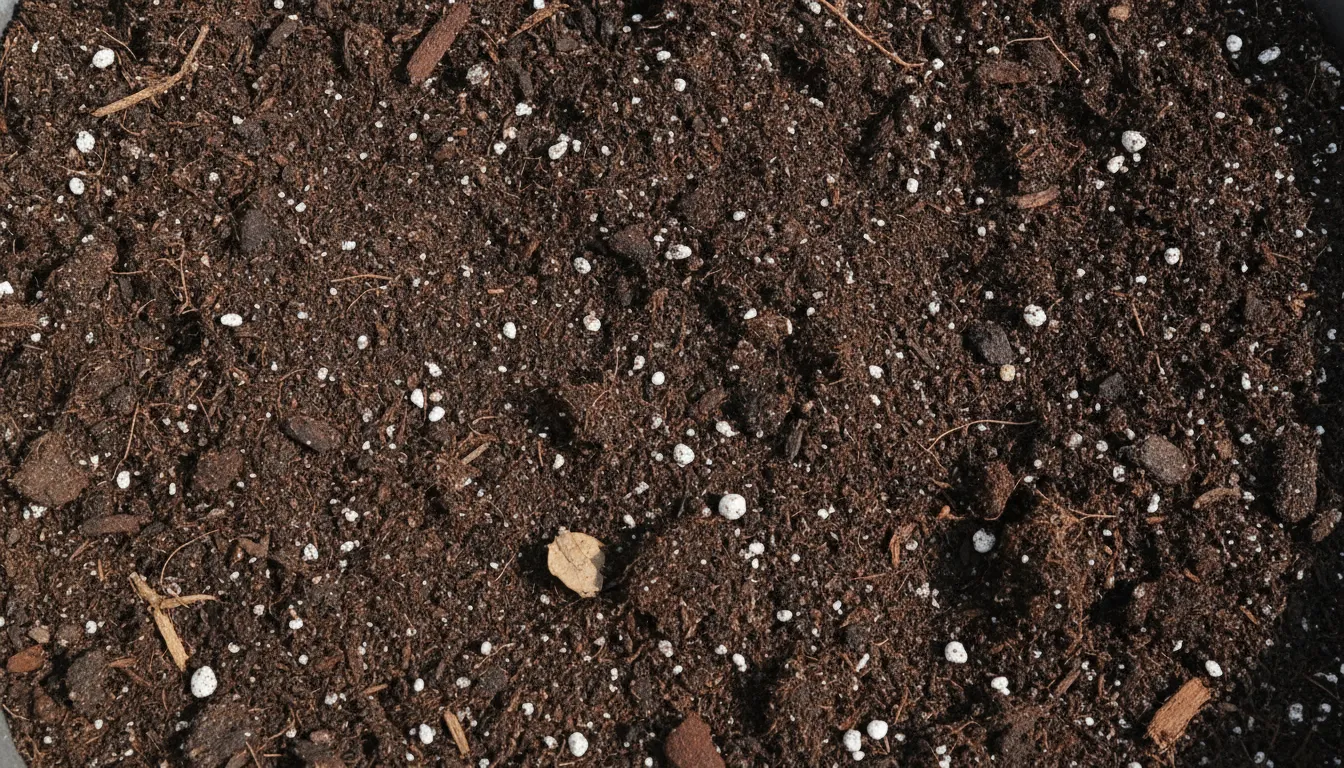
Soil is the most common way to grow plants. Many indoor growers start with soil because they know how to use it. It acts as a natural base that holds roots and keeps plants steady.
The perks of using soil
One big pro of soil is that it is very easy for beginners. Soil naturally keeps pH levels steady, which helps the root zone stay safe. It also has organic matter and food that can feed your plants for many weeks.
Soil is also a low-cost way for new fans to start. Data shows the cost to start with soil is often between $30 and $60. This makes it a smart choice if you want to try indoor growth without a big spend.
The downsides of soil
Despite its perks, soil is not perfect for every setup. Soil is heavier than other types of media and can be messy. It also has a risk of bugs and bad microbes. Wet soil can pack down over time, reducing air space for the roots.
Coco Coir: Pros and Cons

Coco coir is a popular choice for modern indoor growers. It comes from the outer husk of coconuts. This renewable material has become a go-to option.
The perks of coco coir
Coco coir holds a lot of water without getting heavy. It has great air space even when fully wet, which helps roots grow fast.
The downsides of coco coir
Coco coir is not perfect. It can be more costly than soil in many areas. You also need to add calmag to your feeding routine.
Rockwool: Pros and Cons

Rockwool is a man-made fiber created from natural stone. It is a common choice in commercial greenhouses.
The perks of rockwool
The key feature of rockwool is its even air and water balance. Every cube has the same mix. This gives you full control over your garden.
The downsides of rockwool
Rockwool has some clear downsides. It does not hold water as well as other media. You must water more often.
Comparison Table: Soil vs Coco Coir vs Rockwool
| Feature | Soil | Coco Coir | Rockwool |
|---|---|---|---|
| Water Retention | High | Medium-High | Medium |
| Aeration | Medium | High | High |
| pH Stability | Good | Needs calmag | Needs pre-soak |
| Beginner Friendly | Excellent | Good | Moderate |
Nutrient Management
Each medium changes how your plants get food. With soil, the organic matter acts as a buffer. Coco coir needs extra calmag. Rockwool lets you control the feeding plan with great precision.
Frequently Asked Questions
Can I mix different growing media?
Yes, many growers mix media to get the best of each. A common mix is coco coir with perlite.
How often should I replace my medium?
Soil can be used for 1-2 grows. Coco coir lasts 2-3 cycles. Rockwool can last 3-5 cycles.
Which medium is best for automated watering?
Coco coir and rockwool work best with automated watering.
Shop hydroponic growing media at GroIndoor to find soil, coco coir, rockwool, and more for your setup.
Staring at rows of potting mixes and stone wool cubes often leaves new growers feeling stuck. Picking the right base for your roots is a vital step toward a heavy harvest.
Shop all hydroponic growing media at GroIndoor — find soil, coco coir, rockwool, and everything you need for your setup.
Hydroponic growing media are the inert bases that hold your plants by anchoring their roots and managing water and food supply while giving you full control over crops. These substrates act as a foundation for your plants by balancing water storage with air flow to help you get a great harvest no matter what you grow.
Picking the right base is easier when you learn how each one works.
What Is Hydroponic Growing Media?
Hydroponic growing media refers to the inert materials used to support plants in a soilless garden.
Soil as a Growing Medium: Pros and Cons
Soil is the most common way to grow plants. Many indoor growers start with soil because they know how to use it.
Coco Coir: Pros and Cons
Coco coir is a popular choice for modern indoor growers.
Rockwool: Pros and Cons
Rockwool is a man-made fiber created from natural stone.
Comparison Table
| Feature | Soil | Coco Coir | Rockwool |
|---|---|---|---|
| Water Retention | High | Medium-High | Medium |
| Aeration | Medium | High | High |
| Cost | Low | Medium | Medium-High |
| Beginner Friendly | Excellent | Good | Moderate |
Frequently Asked Questions
Can I mix different growing media together?
Yes, many growers mix media to get the best of each.
How often should I replace my growing medium?
Soil can be used for 1-2 grows. Coco coir lasts 2-3 cycles. Rockwool can last longer.
Which medium is best for automated watering?
Coco coir and rockwool work best with automated watering.
Shop hydroponic growing media at GroIndoor to find soil, coco coir, rockwool, and more.